
Addiction is a family disease. Recovery can be too.
The parents of a person who is actively addicted come to learn how to interpret a particular kind of silence. For example, a bedroom door remaining closed after noon, a phone that rings without answer, and a dinner table with one empty chair which no one talks about, since the last time someone did, the evening had ended with a door being slammed.
Addiction doesn't remain confined to a single individual; it affects the entire household, which is the reason why family recovery from addiction is just as important as the treatment itself. Only when an adult child begins to recover do parents and siblings finally get the opportunity to heal too.
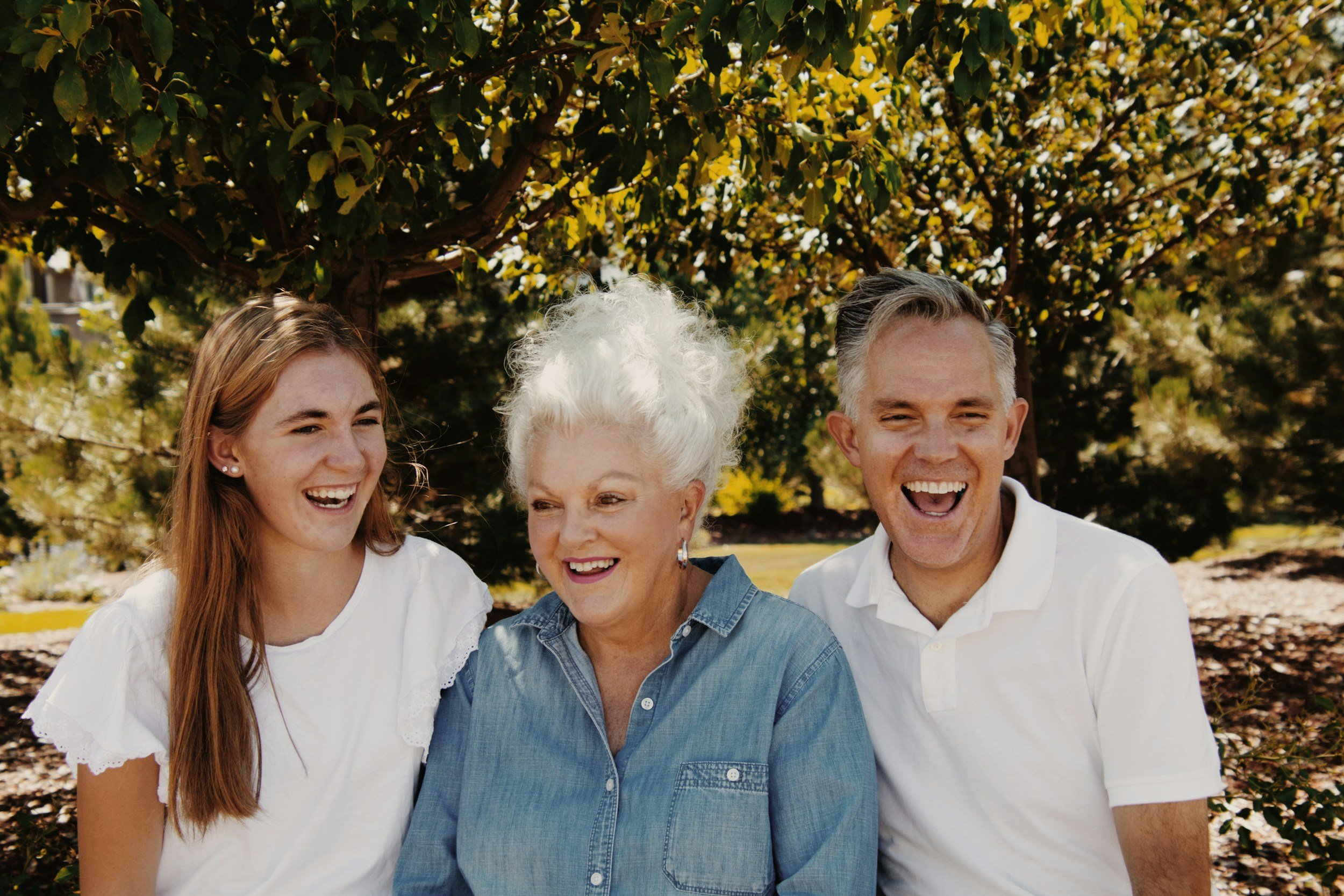
Key points for parents
It is referred to as a family disease since it alters the way all the members of the household behave, not because anyone is at fault.
Many young adults who are addicted also suffer from anxiety, depression or have experienced trauma. It is important to treat both of these conditions.
Recovery is first noticeable in little moments rather than in major ones.
Families also need some support of their own; the Dunham House runs its family program a few times each year.
How addiction takes over a household
The anxiety you feel when your adult child is using drugs doesn't remain confined to a single area; it extends instead.
You leave your phone with the screen facing up on the nightstand and frequently check your bank account even if you don't want to admit it. You practice conversations while in the car, but when you get to the kitchen they never turn out as you had planned them to.
For months or even years the addiction ceases to be something that belongs to one person and begins to determine the routine for all the members of the household. (Those of you who are at an earlier stage and are looking for some practical first steps should find our guide on what to do when your adult child has an addiction to be a useful starting point.)
Why addiction is called a family disease
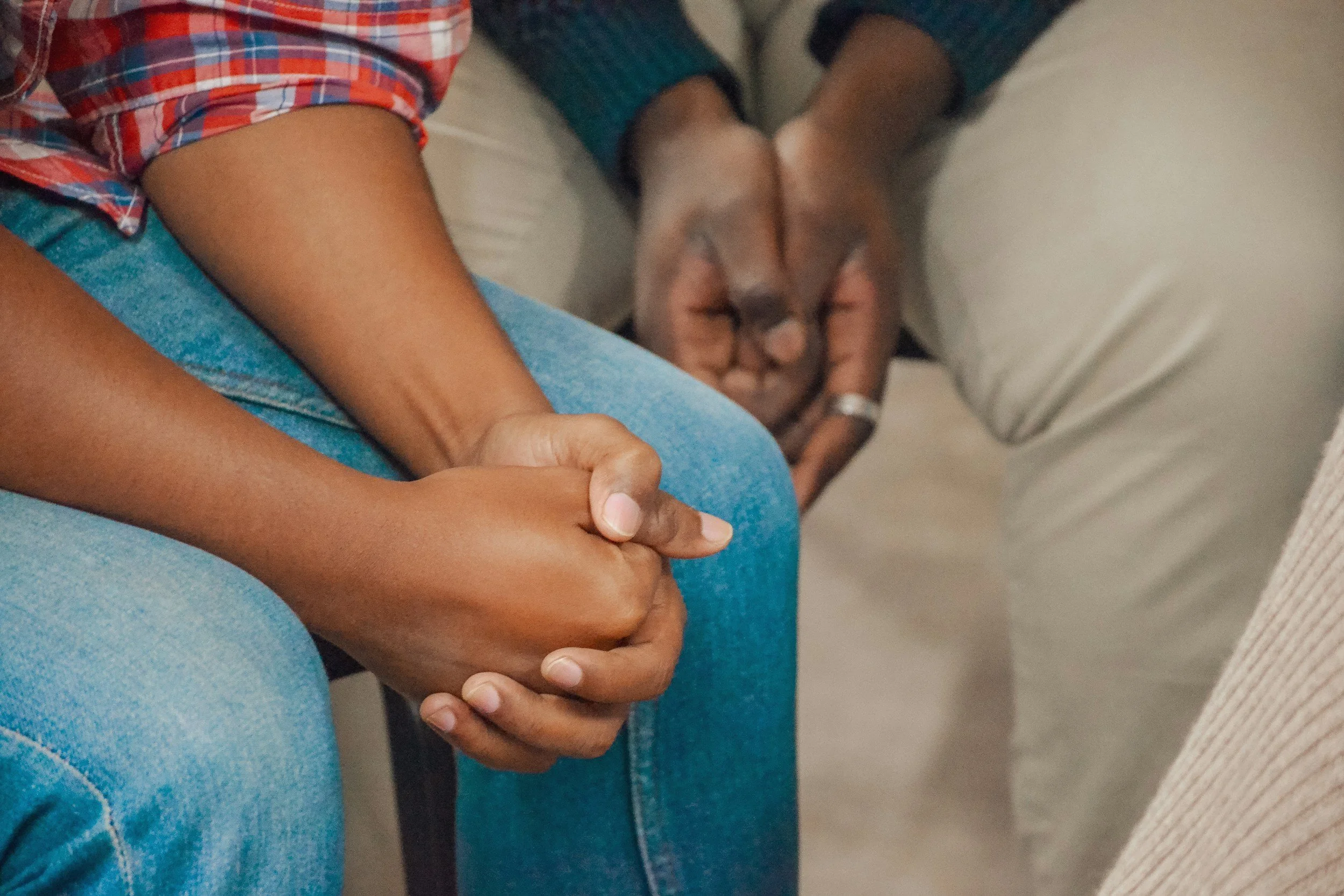
The expression "family disease" is frequently heard in treatment situations. Although it may seem as though it's an accusation, that is not its intention. Instead, it refers to a more straightforward idea: substance use alters the behaviour of all the people nearby, and these behavioural changes tend to persist.
Families end up making adjustments since it's necessary. In this arrangement one parent takes on the role of rescuer—that is, the one who pays the phone bill that is overdue and who drives across the town at 2 a.m. Another parent becomes the peacekeeper and deals with any difficulties that arise at holiday dinners. A sibling then decides that the most safe course of action is to stop talking about it and instead leads a quiet life with as little contact as possible. (In some cases one person will have to play all of these roles, it depending on the week.)
Such roles arise out of love together with fear and exhaustion; in the short term they enable people to get through the day. The problem is that they continue to be carried out even after they no longer serve a useful purpose, and in some cases they develop into codependency without anyone realizing it.
A family may continue to adhere to the same patterns even if the individual who is having difficulties decides to seek help, and one of the more difficult aspects of early recovery is returning to a house that has not changed.
That's why family involvement is one of the better-supported ideas in addiction care, and Quebec has written it into policy. The province's Plan d'action interministériel en dépendance 2018-2028 names the entourage, the parents, partners and close family of someone with an addiction, as people who need services of their own, and sets out dedicated support for them. Next door in Ontario, CAMH and the Canadian Mental Health Association published Caring Together, a 2006 report calling for families to be treated as partners in care and tying their involvement to fewer relapses and better follow-through on treatment. On both sides of the Ottawa River the practical case is the same. When families take part, people in treatment feel less alone, communication at home gets better, and the house they come back to is better prepared for what comes next.
Addiction rarely shows up alone: dual diagnosis
For many young adults, the drinking or taking of drugs is linked to something else: anxiety, depression, trauma which was never discussed, and an ADHD diagnosis that was either late or never obtained at all.
In numerous instances the substance was originally used for relieving pain that no one else could see and it did work, at least for a while, which was precisely what made it so difficult to stop.
When a person has both an addiction and a mental health problem, professionals refer to this as a dual diagnosis or concurrent disorders. This situation means that treatment has to be planned in a different way. If you merely deal with the substance use, the underlying anxiety or depression continues to pull you back and the previous method of coping then seems once again to be a sensible option. It's like fixing the roof while the foundation is still shifting. You might carry out some useful work on the roof and yet still end up with water in the living room.
Addiction rehabilitation at Dunham House is carried out by our clinical team and mental health issues are looked after via a reliable network of external professionals. The goal is to treat the individual as a whole rather than focusing on the symptom that is most apparent that week.
For parents, understanding dual diagnosis can alleviate some of the stress. Behaviour which seemed to be defiance or selfishness may in fact be untreated anxiety or depression behaving in the way that untreated conditions do. It does not excuse all of it, but it does make a great deal of it understandable.
What recovery looks like for a family
What most families imagine when thinking about recovery is a single moment—the day their child finally agrees to go, the day they drive up the road to the campus, and the day they return home
Those days matter, but recovery is mostly made of smaller ones, and they're easy to miss if you're waiting for something dramatic:
A call is made since your daughter wanted to have a conversation and then she hangs up without asking for anything.
A dispute over something ordinary, such as who should be hosting Thanksgiving this year, which ends with nobody having to leave the room.
An apology that specifies what actually took place rather than remaining vague.
For the first time in years your son mentioned the plan for next spring out loud.
Trust returns slowly and parents may then feel guilty about not giving it to their child all at once, but you don't have to. It is better for both of you to rebuild it bit by bit. This allows your child the opportunity to demonstrate positive changes over time and gives you the chance to believe in those changes without having to rely on a single good week. We have written more about this in the section on how to rebuild relationships after rehab.
There will most likely be some setbacks; for the majority of people recovery isn't a straight line and one difficult month doesn't wipe out all the progress made previously. It is also useful to understand the difference between a slip and a complete relapse.
Parents need to heal too

It is not always what families expect. After their child has been safely admitted into treatment the crisis tends to subside and it is then that the exhaustion usually sets in. A few parents have said that they slept through the whole weekend while others have felt flat, angry or in a strange sort of confusion since there is no longer an emergency to deal with.
It's entirely normal; you might have spent years putting your own health, your marriage, your friendships and your work on hold. These areas now require attention and providing that attention is one of the ways in which a family recovers.
Healing on your side can look like:
Learning how addiction and mental health conditions work, so your child's behaviour makes sense even when it hurts
Setting boundaries that protect the relationship without funding or covering for the substance use
Getting support of your own, whether that's counselling, a family program or a peer group like Al-Anon
Giving up the sense of guilt; you weren't the one who caused your child's addiction and you cannot cure it by yourself.
The most difficult one for most parents is that one, and it generally requires more than one reading.
The Dunham House family program
Dunham House offers a program for the parents, spouses, siblings and adult children of the patients we are treating. The program is based on the questions which families most frequently raise with us: how to tell the difference between giving support and enabling, how to discuss difficult matters without the conversation turning into an argument, and how to look after oneself when the person you love is recovering.
Families take part in the program as a group, sharing the experience with others who fully understand the situation they're facing. For a great many parents, it's the first time in years that they have been in a room where there's no need to explain themselves.
The family program opens a few times each year and each group has a limited number of spots. Please keep an eye out for the next intake date if you'd like to be the first to find out — you can call 450-263-3434 and request to be put on the family program list.
Why the right environment matters
It takes time and involves a well-organized approach, usually requiring a certain distance from the everyday triggers which keep the cycle going—such as the same friends, the same stopping point on the way home, and the same pressure at work. A residential program provides someone with the opportunity to get away from all that and concentrate entirely on recovering. If you're not sure if that kind of care is right for you, then consider residential treatment.
Dunham House provides residential programs lasting 30 days, 90 days or six months on a quiet campus in the Eastern Townships of Quebec. The care is given in English and is based on a personal plan for each individual. The environment is calm and private, removed from the noise of normal routines, which allows the actual work of recovery to begin.
Frequently asked questions
What is the expression 'addiction is a family disease' meant to mean?
It implies that the use of substances alters the behaviour of all the people who are close to the person using. Parents, partners and siblings often end up taking on roles such as that of a rescuer or a peacekeeper merely in order to make it through the week. No one is blamed and the family themselves usually require support.
What can parents do to avoid enabling when they are supporting their adult child in rehab?
Keep in touch, attend the family sessions, and be honest regarding the impact that the addiction has had on you. Enabling typically involves avoiding the consequences of substance use, such as paying off debts or taking responsibility for work that has been missed. A family program is one of the best places to find out where that line lies in your particular case.
Is it necessary for me to wait until my child has started treatment before I take part in a family program?
It doesn't have to be that way. A great many parents begin to receive assistance while their child is still making up their mind. For more information on eligibility for the next cohort of the Dunham House family program, please call us on 450-263-3434.
How long are the residential programs at Dunham House?
We offer residential programs of one, three and six months. We also offer outpatient services for people who need structured support while living at home.
If you're a parent reading this
Maybe it's late and you're on your phone again, searching for answers you've already searched for. Maybe you feel like you've tried everything you can think of.
You're not the only parent doing this tonight, and it isn't too late. People do find their way back, and many of them do it after the point when their families felt most hopeless.
When that happens, the whole house changes. The silence gets lighter. Someone sits in the empty chair again. And a family that has been holding its breath for years can finally let it out.
Worried about someone you love? Call Dunham House at 450-263-3434 or send us a message to talk confidentially about your options.

Dunham House
About Dunham House
Located in Quebec's Eastern Townships, Dunham House is a residential treatment centre specializing in addiction and providing support to individuals with concurrent mental health challenges. We are the only residential facility of our kind in Quebec that operates in English.
Our evidence-based programs include a variety of activities such as art, music, yoga, and equine-assisted therapy. In addition to our residential services, we offer a full continuum of care with outpatient services at the Queen Elizabeth Complex in Montreal.