
When Should You Consider Residential Treatment?
Asking for help may be one of the hardest things to do in life.
It is rare that the realization that it is necessary to find help comes suddenly. In most cases, this process takes time and goes against many fears, shames, logistic hurdles, and doubts. "Maybe it's not that bad..."
That's why we write this. Your having stumbled upon this article is important.
This article is for you, if:
You wonder whether you should be seeking help in the form of residential treatment
There are some obstacles preventing you from doing so
Or, if you have already made up your mind, what happens after

What Is Residential Treatment?
Residential treatment implies moving to a rehabilitation center for an agreed upon period of time. This can be either 30 days, or 90 days, or 6 months .
While the primary aim here is to get away from the stressors and triggering factors in one's environment, residential treatment facilities exist for providing you with the possibility to complete certain work which is hard to complete while living ordinary life.
In most cases, residential treatment facilities incorporate individual therapy, group therapy, skills training and building, and more.
"Do I Need This Help Now?"
This is the question which almost anyone considers while making the decision to start attending a program. But let us say it right away: the very fact that you asked it should be taken into consideration.
Residential treatment is not a solution only for those who reached rock bottom in their lives. In fact, a lot of people come to rehabilitation centers because their mental state or substance abuse prevents them from living in an optimal manner. Regardless of how much you are struggling, getting help earlier almost always leads to better results than waiting too long.
5 Indicators That You Can Benefit from Attending a Rehabilitation Center
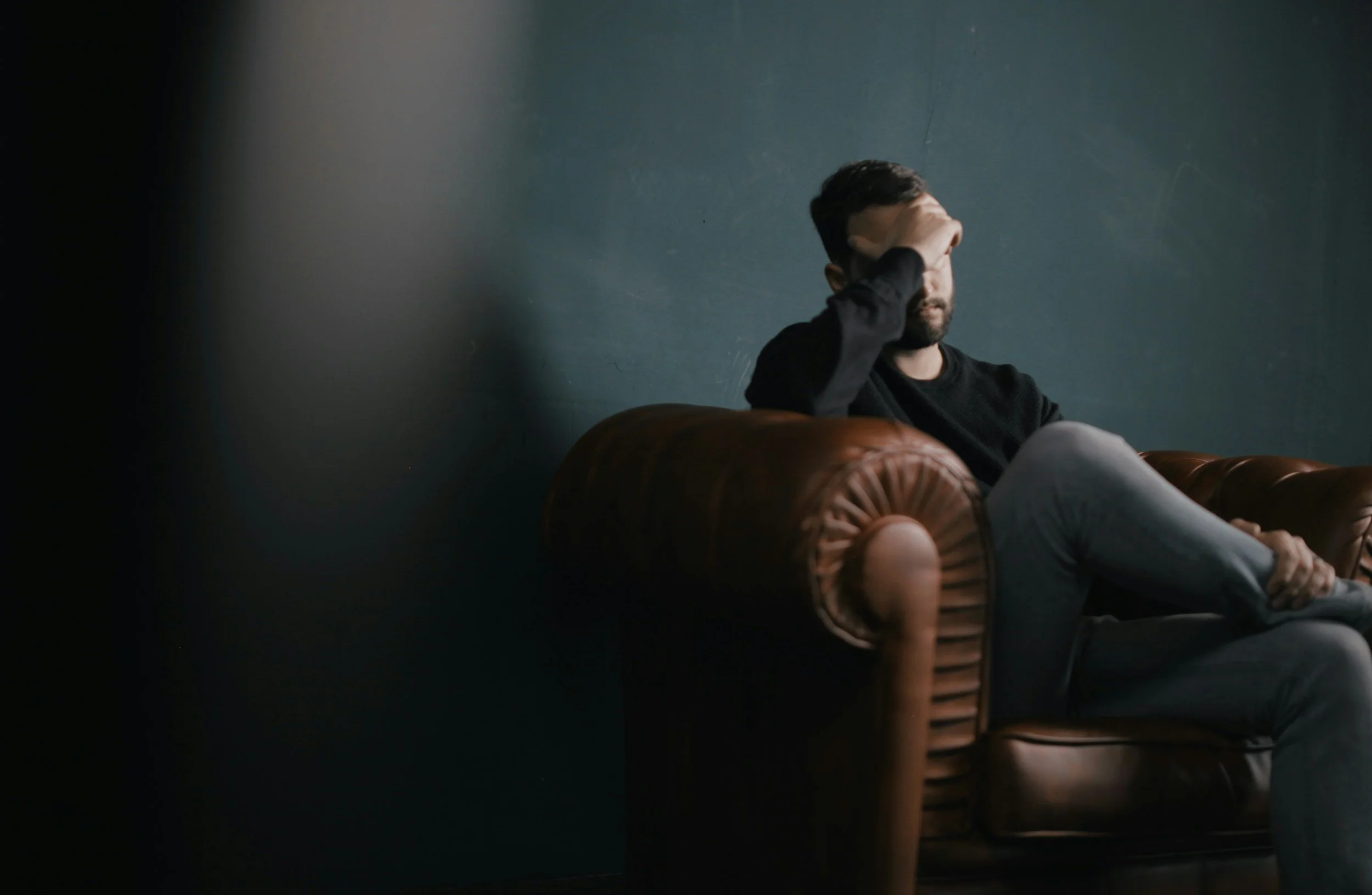
1. Your mental state gets worse
Anxiety attacks become harder; depressive moods prevail; it becomes increasingly difficult to control one's emotions. Such processes, once left untreated, tend to worsen.
2. Your relationships with other people deteriorate
This could mean that even your closest relatives have stopped visiting you, or you prefer to keep away yourself. A residential treatment facility is a great place to rebuild those relationships.
3. You find it increasingly hard to deal with everyday activities
If basic activities, work, home chores, even personal hygiene seem overwhelming to you, it is highly recommended to find professional help.
4. Someone else noticed something strange about you
Your friends and relatives usually notice problems in a much quicker manner than you. If someone you trust mentioned your condition to you, try taking their advice.
5. You feel like changing something in your life
Many people ignore this criterion while evaluating themselves. Readiness to make a change is one of the key clinical indicators.
What Can Stop You from Starting Your Recovery Journey

Unfortunately, a lot of people who would greatly benefit from attending a treatment center decide to postpone the start for several weeks or months. And this is what keeps them from achieving their goals.
Stigma The fear of judgment remains one of the major obstacles for a lot of people in seeking help. According to statistics, 75% of workers in Canada would be hesitant to discuss their mental health issues in front of their colleagues or employers. However, going to therapy is far from being a sign of weakness. Quite the contrary, it is a highly rational action.
Fear of leaving work While we realize the gravity of this issue, we recommend discussing it directly with your superiors. Most companies provide for such cases within their health care policy. In most situations, employers are surprisingly understanding.
Fear of not knowing what to expect The uncertainty is often scary. Nevertheless, talking to an admissions representative prior to signing up would cost you nothing but a few minutes. Chances are high that the conversation will relieve some pressure off you.
Cost Financial obstacles are very real. However, this does not mean that you cannot afford getting proper help. You can always look into insurance coverage, payment options, governmental financial aid, and many other solutions. For example, at Dunham House, the costs of our 6-Month Program can be covered by Emploi Quebec for persons receiving Social Assistance.
Residential Treatment Is Not the Only Solution
If you believe that residential treatment cannot provide you with an adequate result, then you can consider outpatient programs. Such programs involve individual counseling, a family program and our Recovery Transition Program.
At Dunham House, we provide an opportunity to undergo our sessions in an outpatient mode. To do this, you have to visit our office at the Queen Elizabeth Health Complex in Montreal.
How Does the Admissions Process Take Place?

Let us imagine that you are ready to contact Dunham House. Here is what you should expect:
Step 1: First contact You contact Dunham House and have a conversation with one of our admissions representatives.
Step 2: Clinical assessment One of our clinicians discusses your condition with you in detail. This will help form your personalized treatment plan.
Step 3: Financial consultation An admissions representative provides information on the cost of treatment and available financial assistance options.
Step 4: Instructions You are provided with particular recommendations concerning preparation for treatment and the first steps.
Step 5: Arrival and orientation After coming to Dunham House, you get familiarized with the treatment facility, the schedule, and resources provided for you.
Step 6: Introduction to your therapy team You get acquainted with your counselors, and specialists. You learn your personalized treatment plan and set goals for recovery together.
Step 7: Treatment begins
But You Don’t Have to Do This on Your Own
There’s nothing simple about recovery, and the choice to seek help can be difficult. But if anything here rings true for you, it’s worth considering.
You don’t need to know all the answers to reach out for help. You don’t need to be at rock bottom yet. And you don’t have to be sure that you want to change things. What’s important is that your life is suffering because of something and you’re willing to consider that maybe it doesn’t have to be.
That’s where we can start.
Whether you have more questions than answers, or you’re just feeling overwhelmed, Dunham House is here for anyone ready to explore their options.
Get in touch when you’re ready to move forward. The rest will fall into place.

Dunham House
About Dunham House
Located in Quebec's Eastern Townships, Dunham House is a residential treatment centre specializing in addiction and providing support to individuals with concurrent mental health challenges. We are the only residential facility of our kind in Quebec that operates in English.
Our evidence-based programs include a variety of activities such as art, music, yoga, and equine-assisted therapy. In addition to our residential services, we offer a full continuum of care with outpatient services at the Queen Elizabeth Complex in Montreal.