
Benefits of Inpatient Care for Dual Diagnosis
If you're living with addiction and a mental health condition simultaneously then a weekly appointment can feel like bailing out a boat with a teacup. You come away with a plan and then you go home to the same stress, the same people and the same situations that were fueling both of those problems in the first place.
The biggest advantage of inpatient care is simply the distance from it. At Dunham House, a non-profit residential treatment centre on an 85 acre site in Dunham, Quebec, individuals with a dual diagnosis (in the Canadian context this is commonly referred to as concurrent disorders) live on site and are treated for both of their conditions simultaneously by one licensed clinical team with support available 24 hours a day.
Key takeaways
• Inpatient care creates a distance between you and the triggers which in turn feed the addiction and the mental illness.
• Dual diagnosis is generally going to do better when both disorders are treated together as part of one plan by the same team.
• The daily structure, shared chores and group work will all be designed to rebuild the skills you'll be using at home.
• Families can get involved via the Family Program.
• It's not the right level of care for everybody. A clinical assessment will be needed to determine that.
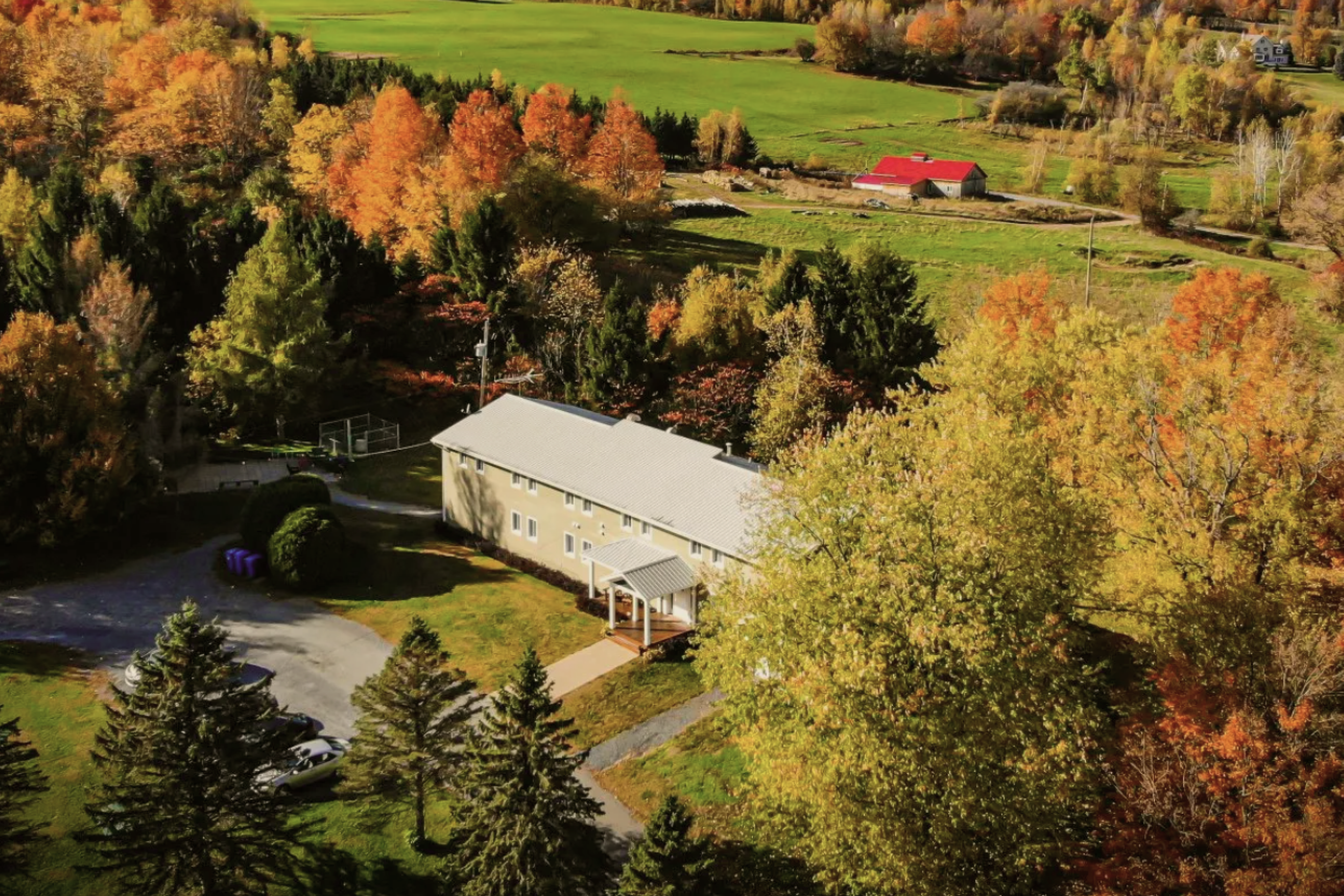
Dunham House
What are the primary benefits of inpatient care?
Inpatient (or residential) care means you live where you're treated. For someone with a dual diagnosis that has quite a few practical implications.
· 24 hour support including the late night hours when cravings, panic and low mood are likely to be at their worst.
· Both conditions are assessed from day one so that depression or anxiety isn't left hanging until the addiction has been dealt with.
· Fewer triggers. No need to go back and forth between the therapist's office and the home environment where the use actually occurred.
· A routine to practise. Structure is often the very first thing that addiction and mental illness strip away.
· People who get it. Peers in the same programme will know without you having to go into the background.
· Time. A 30, 90-day, and 6-month stay allows the new habits to settle before the rigors of everyday life are brought to bear.
Why does dual diagnosis require integrated inpatient treatment?
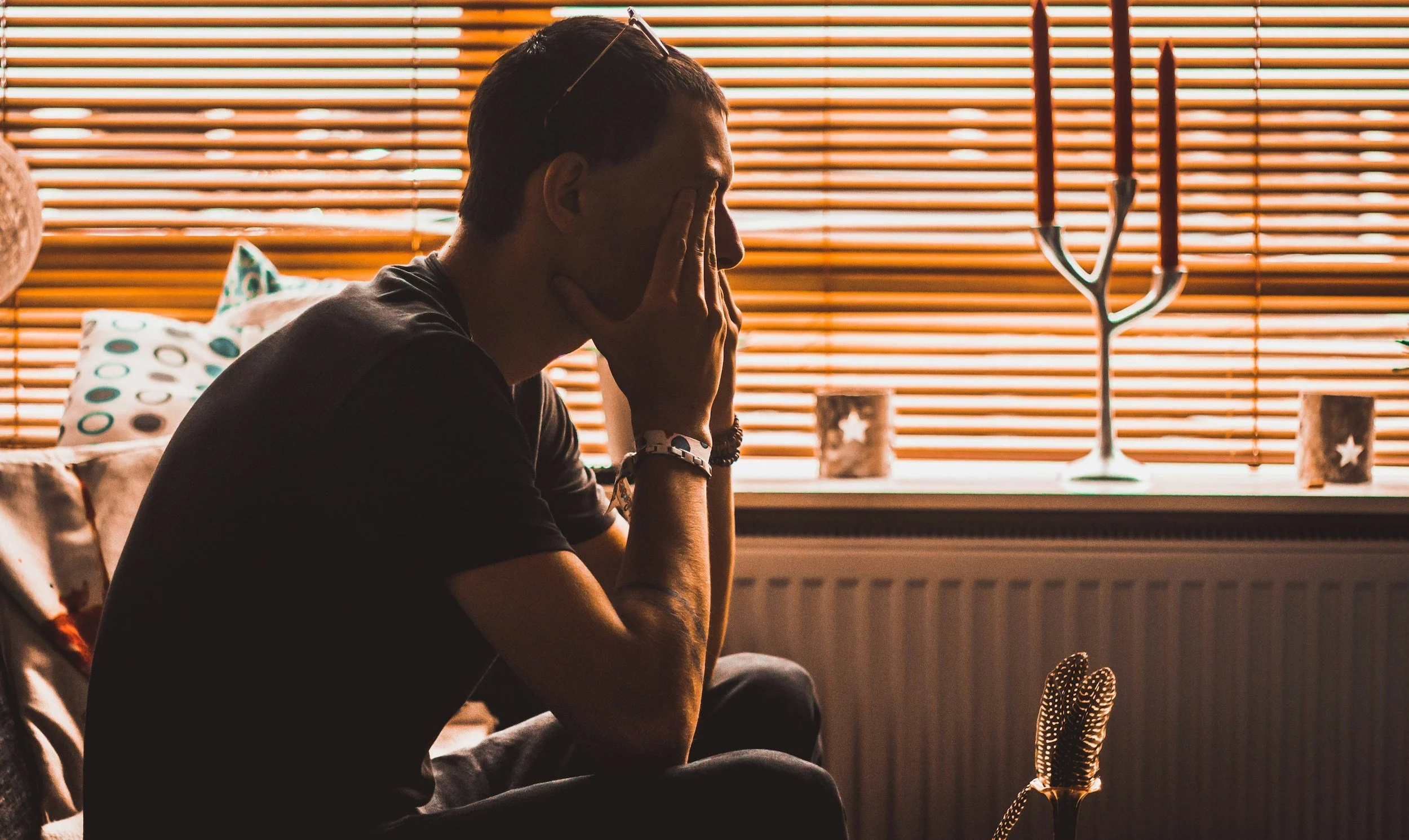
Addiction and mental illness don't tend to come in isolation. The U.S. National Institute on Drug Abuse notes that around half of those who go on to develop a substance use disorder will also go on to develop a mental illness at some point in their lives and vice versa.
The two conditions feed off each other. You drink to quiet the anxiety. The drinking then makes the anxiety the next day worse and the worse the anxiety the next drink seems to be required. If you treat only the drinking the anxiety is still there, it's still pulling. If you treat only the anxiety the alcohol just keeps undoing the work.
That's the flaw with sequential treatment where you deal with one condition first and then refer the patient on to someone else for the second. Integrated care treats them as one clinical picture. At Dunham House addiction rehab and mental health are both part of the same individualised plan delivered by the same team of qualified professionals. Our guide to understanding dual diagnosis goes into greater depth as does our guide to integrated mental health care.
Living on site makes it far easier to integrate properly. The clinician can see the interplay of mood, sleep, cravings and behaviour over the course of a whole day rather than just during a 50 minute session and can therefore adjust the plan as they go.
What mental health conditions are commonly co-morbid with addiction?
The ones we see most frequently are depression, anxiety disorders, PTSD, ADHD and bipolar. Some people will have a diagnosis already when they present. Many won't as the substance use has been masking the symptoms (or indeed being blamed for the symptoms) for years. That's all sorted out during the assessment at admission.
Not sure where to start? Give our intake team a call on 450-263-3434 to go over it. No pressure. No commitment.
What does a day in a residential treatment unit look like?
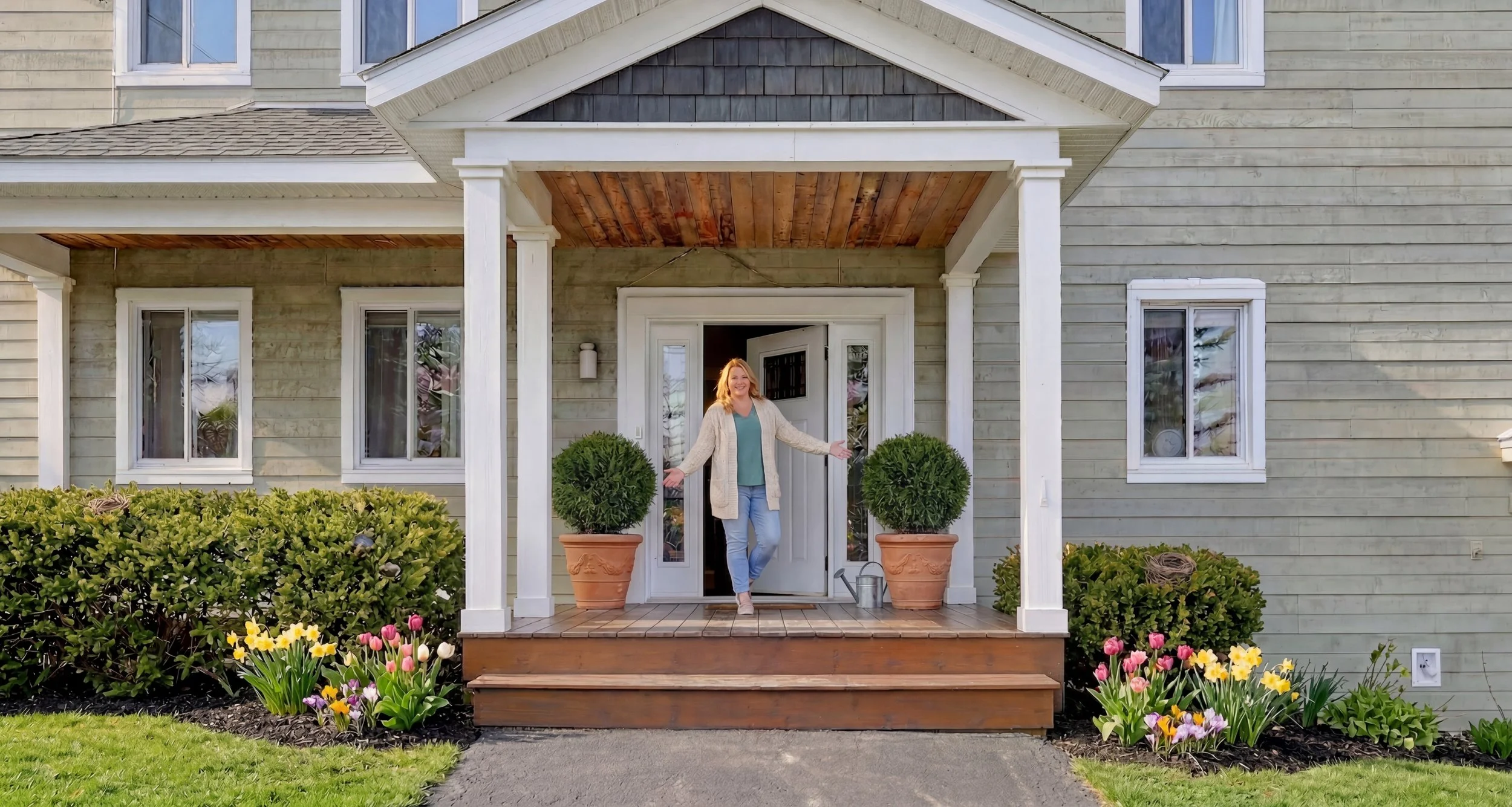
Dunham House
Predictable, on purpose.
Addiction and untreated mental illness will tend to destroy any structure you have. You'll drift through your sleep, you'll skip meals, you'll just let your obligations go and they'll all pile up. Residential treatment is about putting the structure back in. There's a very clear day to day rhythm to it all: individual therapy, group therapy, meals, activities and rest. You know what's coming next.
Residents also share the housework, the sort of everyday tasks that any home will need. It may seem a very small thing but the act of committing to one modest thing each day in that way is what rebuilds the habit of commitment and that habit stays with you. A 2025 scoping review of adult inpatient psychiatric rehabilitation programmes published in Healthcare found that improvements in functioning and community integration were achieved when care was delivered in this manner.
What therapies are used in inpatient dual diagnosis treatment?
Dunham House combines established psychotherapies with experiential work. The clinical core is CBT, DBT and Equine Assisted Learning (EAL) which we go into in more detail in Beyond Willpower: the cognitive tools that build real recovery. CBT and DBT provide people with practical tools to deal with cravings, intrusive thoughts and emotional spikes rather than just trying to 'go it alone'.
Alongside that, the residents are involved in art, music, yoga and equine therapy. That's more than just something you see on a brochure. A lot of people in the first week just can't put what they're feeling into words and that is evident in the way they use a paintbrush or handle a nervous horse. That's something the clinical team can actually work with. The yoga and Tai Chi are all about movement and breathing and that's one of the most basic self regulation tools you can have. See the full list of our evidence based therapies.
How does peer support assist with recovery in a residential setting?

Shame isolates people. Isolation in turn makes both addiction and mental illness worse.
Living with others who are going through the same thing breaks that cycle in a way that individual therapy often can't. That's the basis of the group counselling element of Dunham House's psycho-educational programme. The group talks through the week, work on saying difficult things out loud and give each other genuine feedback. You really do learn from hearing how another resident coped with a craving yesterday in a way that you simply don't when you're reading about coping strategies.
The connection spills out of the group room as well: over meals, on walks, in shared hobbies. Healthy hobbies give free time some structure and when done with other people they go a long way to rebuilding the social skills that had atrophied during the period of active addiction. We've written quite a bit about the way peer support can transform lives in recovery.
What life skills does inpatient care teach?
Feeling better is part of the recovery. Being able to run your own life afterwards is the rest of it.
The Life Skills programme at Dunham House is all about workshops, group counselling and lectures to build the practical skills that people need after they're discharged.
· taking medication as prescribed, on schedule
· planning and preparing meals
· budgeting
· keeping a household running
· handling conflict and difficult conversations, whether with family or at work
Each skill is practised every day with support until it ceases to be an effort. Group sessions provide a safe space in which to rehearse the communication before it actually counts.
Is inpatient care the right option for you or someone you love?
Residential treatment tends to be the better fit when:
· outpatient treatment has been tried and hasn't held
· home or work keeps putting you in front of the triggers behind your substance use
· a mental health condition makes it hard to stay safe or stable between appointments
· you need a real break from daily pressure to focus on treatment
· addiction and mental health symptoms are both present and tangled together
If the symptoms are mild and home is stable and supportive then outpatient care may be sufficient. Our comparison of inpatient and outpatient rehab looks at the trade-offs.
Dunham House have a 1 month intensive, a 3 month program, a family program and outpatient options. Their intake team can help you work out which level of care is appropriate.
Talk to our intake team
Call 450-263-3434 to have any questions, to check availability or to start an assessment. It's a conversation, not a commitment.
Frequently asked questions
What are the advantages of inpatient care for addiction and mental health?
The primary advantages of inpatient care are 24/7 support, being removed from the everyday triggers, receiving treatment for both addiction and mental health simultaneously, having a structured day, peer support and sufficient time to learn and practice new coping mechanisms prior to going home.
What's the difference between inpatient and outpatient treatment?
With inpatient you live at the facility full time and you get your treatment throughout the day. With outpatient you attend your sessions whilst living at home. Inpatient is more structured and intensive; outpatient allows you to keep working and to stay with your family.
What is dual diagnosis treatment?
Dual diagnosis treatment is treatment for someone who has a substance use disorder and a mental health condition at the same time. In Canada that's often referred to as concurrent disorders treatment. Integrated programmes are those which treat both conditions together in one plan, with one clinical team.
How long is inpatient treatment at Dunham House?
Dunham House offer a 1 month intensive and a 3 month programme. The clinical team will recommend the length of stay based on your assessment, the severity of both conditions and the level of support you'll have in place on discharge.
Who is a good candidate for residential treatment?
Residential treatment is generally for those whose outpatient care has failed, those whose home situation is continually exposing them to triggers and those whose mental health simply doesn't allow them to remain stable between appointments. An intake assessment will determine the appropriate level of care.

Dunham House
About Dunham House
Located in Quebec's Eastern Townships, Dunham House is a residential treatment centre specializing in addiction and providing support to individuals with concurrent mental health challenges. We are the only residential facility of our kind in Quebec that operates in English.
Our evidence-based programs include a variety of activities such as art, music, yoga, and equine-assisted therapy. In addition to our residential services, we offer a full continuum of care with outpatient services at the Queen Elizabeth Complex in Montreal.