
Dual Diagnosis Treatment in Quebec: Integrated Mental Health and Addiction Care in English
Discover how dual diagnosis treatment addresses both mental health and substance use together and why integrated care in your own language makes all the difference in recovery.
As we step into 2026, there's a growing conversation that's finally getting the attention it deserves: the inseparable connection between mental health and substance use. For too long, these challenges have been treated as separate issues, leaving people caught in a cycle of incomplete care and frustrating setbacks.
But there's reason for real optimism this year. Understanding is evolving, treatment approaches are improving, and support is becoming more accessible—especially for English speakers in Quebec seeking integrated care.
If you've been struggling with both anxiety or depression and your relationship with alcohol or substances, you're not alone. Research consistently shows that more than 50% of people dealing with substance use challenges also experience co-occurring mental health conditions. The two are interwoven in ways that make treating just one ineffective and often impossible.
The good news? 2026 marks a turning point where integrated dual diagnosis treatment—treating both conditions together—is becoming the standard, not the exception.
What Is Dual Diagnosis? Understanding Co-Occurring Disorders
Dual diagnosis (also called co-occurring disorders or concurrent disorders) means experiencing both a mental health condition and a substance use disorder simultaneously. Common combinations include:
Anxiety disorders and alcohol use disorder
Depression and substance abuse
PTSD and addiction
Bipolar disorder and drug dependence
These conditions don't just exist side by side—they interact, influence, and often amplify each other in complex ways that require specialized, integrated treatment approaches.
The Reality of Living with Dual Diagnosis
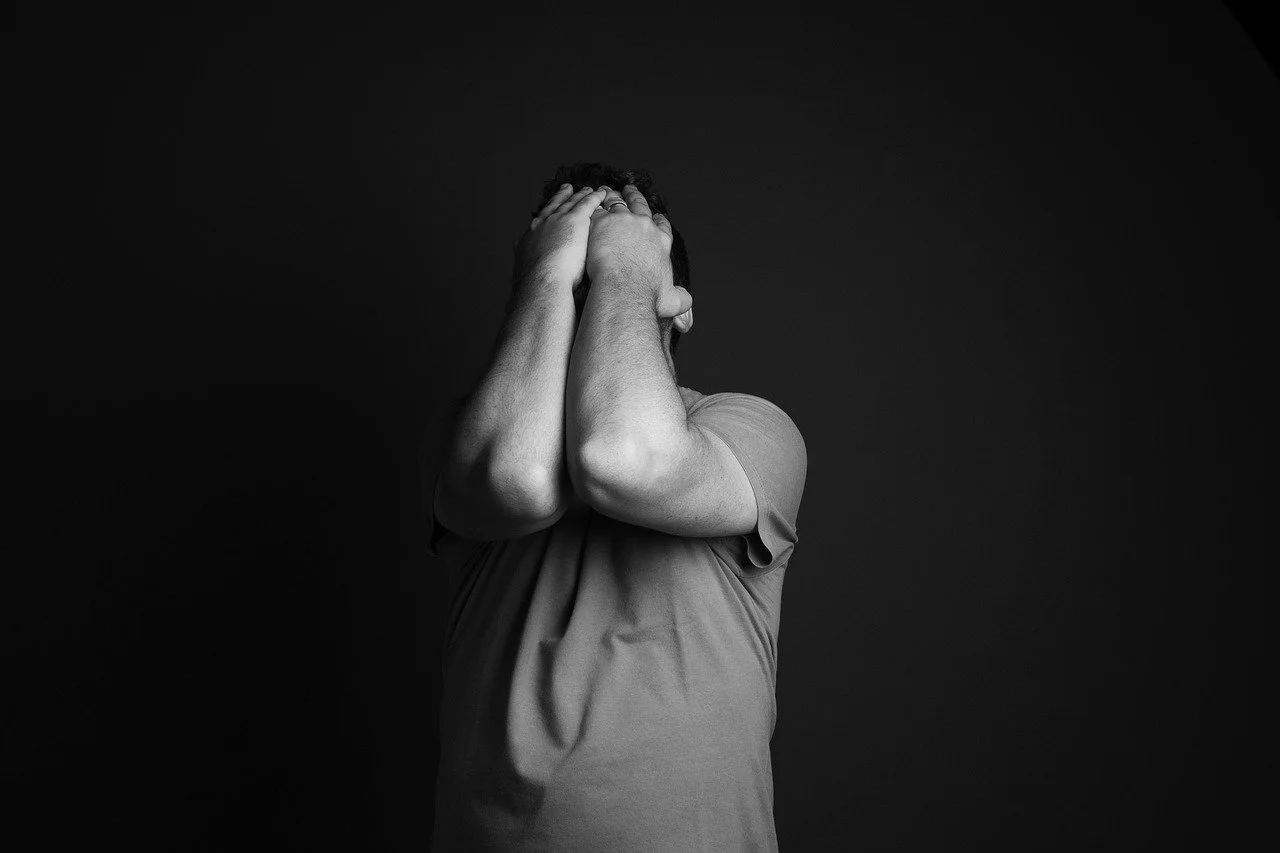
Let's talk about what this actually looks like in daily life.
You might have started drinking to quiet the anxiety that makes social situations unbearable. Or perhaps alcohol became your way of numbing the weight of depression that made everything feel impossibly heavy. Maybe you didn't even realize you were dealing with clinical anxiety or depression—you just knew that drinking helped, at least temporarily.
Then comes the complicated part.
The drinking that once seemed to help starts making everything worse. Anxiety intensifies. Depression deepens. Sleep becomes elusive. Work performance suffers. Relationships strain. And suddenly you're caught in a cycle where you're drinking to cope with problems that the drinking itself is amplifying.
This isn't a failure of willpower. This is dual diagnosis—and it requires a completely different approach than traditional addiction treatment alone.
The Dual Diagnosis Cycle
Mental health symptoms emerge (anxiety, depression, trauma)
Substance use begins as self-medication (temporary relief)
Tolerance builds, requiring more to achieve relief
Substance use worsens mental health symptoms
Increased mental distress drives increased substance use
The cycle intensifies without intervention
Breaking this cycle requires addressing both conditions simultaneously through integrated treatment.
Why Traditional Single-Focus Approaches Fall Short
Here's what often happens with conventional treatment:
Scenario 1: Treating Addiction Alone
Someone seeks help for drinking, completes a program focused solely on sobriety, and returns home feeling motivated. But within weeks or months, the underlying anxiety or depression that was never addressed comes roaring back. Without proper coping mechanisms in place, without understanding the mental health component, relapse becomes almost inevitable.
Scenario 2: Treating Mental Health Alone
The reverse also fails. Someone gets their anxiety or depression treated, but the substance use is minimized or ignored entirely. The mental health improves temporarily, but the drinking continues to undermine progress, interfere with medication effectiveness, and prevent real healing.
Both scenarios leave people feeling like they've failed, when in reality, the treatment approach was incomplete from the start.
According to research, individuals with untreated dual diagnosis have:
4x higher relapse rates
Longer recovery timelines
Increased risk of hospitalization
Lower treatment completion rates
Higher rates of homelessness and legal issues
The solution? Integrated dual diagnosis treatment that addresses the whole person.
What Integrated Dual Diagnosis Treatment Actually Means
Integrated care recognizes that mental health and substance use are two sides of the same coin. Here's what that looks like in practice:
1. Addressing Root Causes Together
Understanding that anxiety isn't just something you have and you drink, the two are deeply connected neurologically and psychologically, and need to be untangled simultaneously through evidence-based therapies.
2. Building Real, Sustainable Coping Mechanisms
Learning practical, daily tools to:
Manage anxiety without substances
Process difficult emotions healthily
Handle stress through adaptive strategies
Recognize and interrupt negative thought patterns
Build emotional regulation skills
These aren't abstract concepts but concrete skills practiced daily in therapeutic settings.
3. Coordinated Medical and Therapeutic Support
When needed, this includes:
Medication management for mental health conditions (administered safely alongside recovery)
Evidence-based therapies like CBT (Cognitive Behavioral Therapy) and DBT (Dialectical Behavior Therapy)
Trauma-informed care addressing underlying psychological wounds
Group therapy with others navigating similar challenges
Holistic approaches including mindfulness, exercise, and nutrition
All coordinated by a multidisciplinary team that understands how these elements interact.
4. Creating Sustainable Life Change
Not just stopping drinking, but building a life where you don't need to drink because you have:
Effective emotional regulation tools
Healthy stress management strategies
Strong therapeutic relationships
Meaningful daily structure
Purpose and connection
This comprehensive approach is why integrated residential programs show 60-70% better long-term outcomes than traditional single-focus treatment.
The Unique Challenge of Access for English Speakers in Quebec
If you're reading this from Quebec, you know the landscape.
French-language services dominate the healthcare system, which makes perfect sense given the province's culture and majority francophone population. But for English speakers dealing with dual diagnosis challenges, this creates a significant barrier to effective treatment.
Why Language Matters in Mental Health and Addiction Treatment
Mental health and addiction recovery require deep, nuanced communication. You need to:
✓ Express complicated emotions with precision
✓ Understand subtle therapeutic concepts fully
✓ Feel truly heard in your most vulnerable moments
✓ Process trauma in your native language
✓ Engage in group therapy where you can communicate naturally
✓ Build genuine connections with peers and counselors
Doing this in a second language—or watching others communicate freely while you struggle to keep up—adds an unnecessary layer of difficulty to an already challenging journey. Research shows that therapy effectiveness drops by 40% when conducted in a non-native language.
The Gap in English Services
The reality is that English-speaking residential programs offering integrated dual diagnosis care in Quebec are remarkably rare. Many English speakers end up facing difficult choices:
Inadequate outpatient-only options
Programs that address addiction OR mental health, but not both
French-language programs where they can't fully engage
Leaving the province entirely for care (disrupting support networks, work, family and facing significantly higher costs)
This gap leaves a vulnerable population underserved at the exact moment they need comprehensive support most.
Why Residential Dual Diagnosis Treatment Makes the Difference

While outpatient therapy has its place, residential care offers what part-time treatment simply cannot for dual diagnosis recovery:
1. Complete Immersion in Recovery
When you step away from daily stressors, triggers, and entrenched patterns, you can actually focus on building new neural pathways and behavioral habits without constant interference from your usual environment.
2. 24/7 Support During Vulnerable Moments
Those tough evenings when anxiety peaks. Difficult mornings when depression feels overwhelming. Unexpected emotional waves triggered by therapy work. In a residential setting, you're never alone with trained staff available around the clock.
3. Therapeutic Community with People Who Understand
Being surrounded by others navigating similar dual diagnosis challenges:
Reduces the profound isolation that often accompanies both conditions
Creates accountability and motivation
Builds lasting peer support networks
Normalizes the recovery experience
4. Structure and Routine
When anxiety and depression make every decision feel overwhelming, having a supportive daily structure helps you:
Rebuild confidence in managing daily life
Establish healthy sleep and eating patterns
Practice new coping skills repeatedly
Experience what balanced living feels like
5. Time for Actual Neurological and Behavioral Change
Real change doesn't happen in weekly hour-long sessions. Lasting recovery requires:
Consistent daily therapeutic work over weeks
Time for new neural pathways to form
Repeated practice of new behavioral patterns
Sufficient duration for new habits to take root
A one-month residential program provides the minimum timeframe needed to break old cycles, establish new habits, and build a foundation strong enough to carry forward into daily life. Many studies show 30+ days of residential treatment dramatically improves long-term success rates.
Looking Forward with Real Hope in 2026
As we move through 2026, the conversation around mental health and substance use continues to evolve positively. The shame and stigma that once surrounded these challenges are gradually lifting. More people are recognizing that struggling doesn't mean failing—it means being human.
Is Dual Diagnosis Treatment Right for You?
Consider integrated treatment if you:
✓ Have tried to cut back or stop drinking/using on your own without lasting success
✓ Notice your anxiety or depression worsens when you try to stop using
✓ Use substances specifically to manage uncomfortable emotions
✓ Have been treated for addiction or mental health separately without lasting improvement
✓ Feel caught in a cycle you can't break alone
✓ Want to understand the connection between your mental health and substance use
You don't need to have everything figured out. You don't need to hit some imaginary "rock bottom." You just need to be honest about what's not working and willing to try something different.
Taking the First Step
Reaching out for help is not admitting defeat, it's the most courageous and intelligent thing you can do. Every person who's successfully navigated dual diagnosis recovery started exactly where you are now: uncertain, perhaps scared, but ready for change.
Dunham House: Integrated Dual Diagnosis Care in English
At Dunham House, we understand that dual diagnosis recovery isn't about fixing what's broken—it's about building what's missing.
What Makes Dunham House Different
✓ Fully Integrated Treatment Model – Mental health and addiction addressed simultaneously by a coordinated team
✓ English-Language Environment – Communicate freely, understand completely, feel genuinely heard
✓ Residential Immersion – One-month program providing the time needed for real change
✓ Evidence-Based Therapies – CBT, DBT, trauma-informed care, and holistic approaches
✓ Small, Supportive Community – Personalized attention in a therapeutic environment
✓ Quebec-Based – Stay close to home, family, and support networks
✓ Aftercare Planning – Transition support to maintain progress after residential care
What Life Can Look Like After Integrated Treatment
Imagine:
Waking up without anxiety about the day ahead
Having tools that actually work when emotions become overwhelming
Feeling genuinely connected to people who understand your journey
Building a life where sobriety and mental wellness support each other naturally
Experiencing real hope about your future
This isn't just a dream, it's the reality for people who complete integrated dual diagnosis treatment.
Your 2026 Can Be Different
Not because of willpower or New Year's resolutions, but because you'll finally have the integrated support you've needed all along.
You Deserve:
✓ Care that sees the whole picture, not just symptoms
✓ To communicate freely in your own language
✓ To feel better—not just sober, but genuinely well
✓ A supportive community that understands dual diagnosis
✓ Professional treatment that addresses root causes
That's what 2026 can hold. And we're here when you're ready.
Take the Next Step Toward Integrated Recovery
Ready to explore how dual diagnosis treatment can work for you?
Contact Dunham House today to learn more about our one-month residential program designed specifically for English speakers in Quebec navigating mental health and substance use challenges together.
Your journey toward integrated wellness starts with a single conversation. We're here to help.
Frequently Asked Questions About Dual Diagnosis Treatment
How do I know if I have a dual diagnosis?
If you're experiencing symptoms of depression, anxiety, PTSD, or other mental health conditions alongside problematic substance use, you may have a dual diagnosis. A professional assessment can provide clarity.
Will my mental health medication interfere with addiction treatment?
No—integrated treatment includes coordinated medication management. Your mental health medications are an important part of comprehensive care and will be managed safely alongside recovery.
How long does dual diagnosis treatment take?
While everyone's journey is unique, residential programs typically last 30 days minimum. Many people benefit from 60-90 days, followed by ongoing outpatient support. Dunham House offers a one-month residential program with aftercare planning.
Can dual diagnosis treatment help if I've relapsed before?
Absolutely. Relapse is often a sign that underlying mental health conditions weren't addressed. Integrated treatment targets both conditions simultaneously, significantly reducing relapse risk.
Is treatment available in English in Quebec?
Yes—Dunham House provides fully integrated dual diagnosis treatment in English for Quebec residents, eliminating language barriers that can hinder effective therapy.
Dunham House
About Dunham House
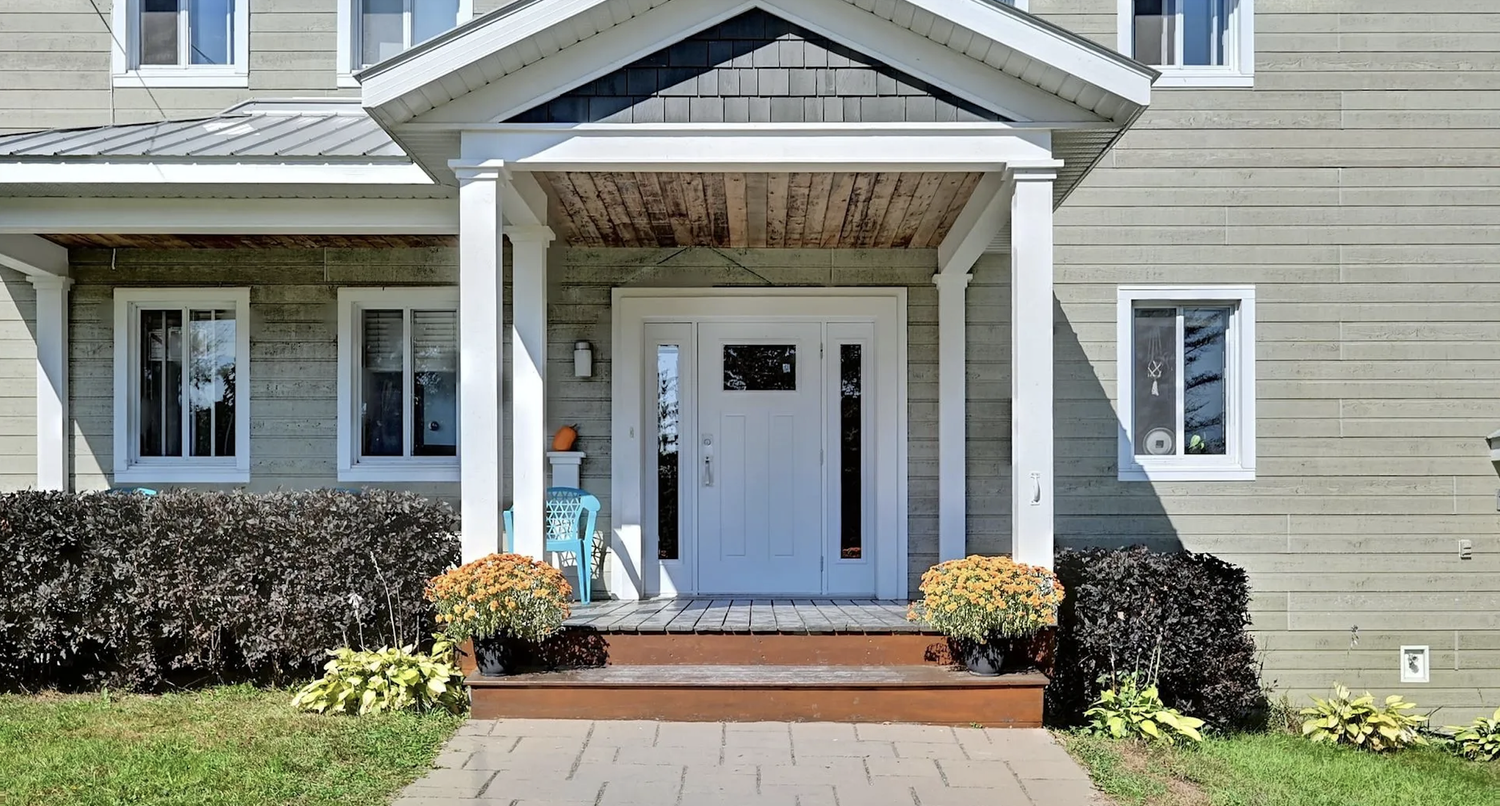
Located in Quebec's Eastern Townships, Dunham House is a residential treatment centre specializing in addiction and providing support to individuals with concurrent mental health challenges. We are the only residential facility of our kind in Quebec that operates in English.
Our evidence-based programs include a variety of activities such as art, music, yoga, and equine-assisted therapy. In addition to our residential services, we offer a full continuum of care with outpatient services at the Queen Elizabeth Complex in Montreal.