
Anxiety Relief in Five Minutes: Evidence-Based Techniques That Work
Anxiety can feel like a sudden flood of physical and mental arousal. Short, focused practices can lower that intensity in as little as five minutes and help you think more clearly when applied correctly. This article presents evidence-informed five-minute strategies that target the nervous system and attention to interrupt the anxiety cascade, including breathing, grounding, micro-movement, and brief cognitive shifts.
These techniques are practical, portable, and designed for use during panic episodes, work stress, or unexpected worry. They are not a substitute for clinical care when anxiety is persistent or connected to substance use. Dunham House offers integrated dual-diagnosis treatment for people whose anxiety co-occurs with addiction and provides residential and outpatient options for adults and families seeking coordinated care.
Read on for a concise explanation of the physiology, step-by-step instructions, quick scripts you can use immediately, and guidance on when five-minute tools are sufficient and when to seek integrated professional support.
What Happens in Your Body During Anxiety?

Anxiety often starts with a perceived threat that turns on the sympathetic nervous system. Heart rate rises, breathing becomes shallow, muscles tense, and stress hormones like adrenaline and cortisol are released. This state narrows attention toward threat-related thoughts, which then amplify bodily sensations and create a feedback loop.
Brief techniques work by engaging the parasympathetic system (improving vagal tone), slowing respiration, and refocusing attention. These steps reduce arousal and open space for clearer thinking. Understanding these mechanisms helps you pick a technique that targets the part of the response causing the most distress, whether that is disordered breathing, racing thoughts, or high muscle tension, and use it effectively in five minutes.
How the Fight-or-Flight Response Triggers Anxiety
The fight-or-flight response is the brain's fast mobilization system. The amygdala flags a threat, signals the hypothalamus, and the sympathetic nervous system activates, flooding the body with adrenaline. The result is familiar: a racing heart, quick shallow breaths, sweating, and a sense of foreboding.
Those reactions are useful in real danger but become unhelpful when triggered by thoughts, memories, or everyday stressors. Repeated activation sensitizes the system so small triggers can produce large responses, reinforcing avoidance and rumination. Noticing the chain of trigger, alarm, bodily reaction, and catastrophic appraisal makes it easier to choose an intervention that breaks the loop at the physiological or cognitive link.
Why Five-Minute Exercises Work Quickly
Short exercises combine two key mechanisms: physiological down-regulation (slower breathing, reduced heart rate) and attentional shift (grounding or cognitive reframing) that stops the escalation of threat-focused thinking. For example, two minutes of paced diaphragmatic breathing lowers breath rate and increases vagal input, while a two to three minute grounding scan redirects attention from internal alarms to calming sensory data.
These briefThese brief practices do not remove underlying vulnerability, but they downshift arousal enough to allow problem-solving and longer-term coping. A quick routine can move you from overwhelmed to functional and help you decide whether a longer practice or professional support is needed. Exercises for Fast Anxiety Reduction
Breathing methods reduce anxiety by changing gas exchange, stabilizing carbon dioxide levels, and increasing vagal input. These steps lower sympathetic arousal and calm the mind. The most reliable quick methods are simple, require no equipment, and can be done sitting or standing. Diaphragmatic breathing provides steady regulation, the 4-7-8 pattern offers a fast downshift, and box breathing gives rhythmic control.
Research supports these approaches.Recent studies found that participants who received a slow diaphragmatic breathing intervention showed greater reductions in state anxiety, heart rate, and cortisol compared with a control condition.
Diaphragmatic Breathing for Instant Calm
Diaphragmatic breathing (often called belly breathing) uses the diaphragm to improve lung efficiency and slow respiration, which helps steady the autonomic nervous system.
To practice, sit comfortably with a straight spine. Rest one hand on your chest and the other on your abdomen. Inhale slowly through the nose for a count of four so the abdomen rises while the chest stays mostly still. Then exhale through pursed lips for a count of five or six so the abdomen softens. Repeat for two to five minutes, noticing the sensation of the belly expanding and releasing.
Beginners may feel lightheaded if they over-breathe. If that happens, shorten the counts until the pattern feels steady. This tactile cueing helps stabilize your breath and can transition into paced patterns like 4-7-8 when you need deeper down-regulation.
A 2023 study found that slow-paced diaphragmatic breathing can be an effective daily intervention for children to manage anxiety, particularly when practiced in short, repeated sessions.
The 4-7-8 Breathing Method
The 4-7-8 method is a timed breathing pattern. Inhale for four counts, hold for seven, exhale slowly for eight, then repeat. This sequence increases parasympathetic activity and lowers sympathetic arousal. It shifts the breath-to-heart-rate relationship and prompts a relaxation response that is useful during acute spikes of anxiety or before sleep.
Start with two to three cycles if you are new to breath-holds and add cycles as you feel comfortable. Anyone with respiratory issues should check with their clinician before prolonged breath-holding. The 4-7-8 pattern is compact and effective, making it an excellent first-line five-minute tool for a quick reset.
If you feel lightheaded, shorten the counts or return to diaphragmatic breathing. Practice seated until multiple cycles feel comfortable. Use one to three cycles for a rapid downshift and extend to five cycles for deeper calm.
Grounding Techniques to Stay Present
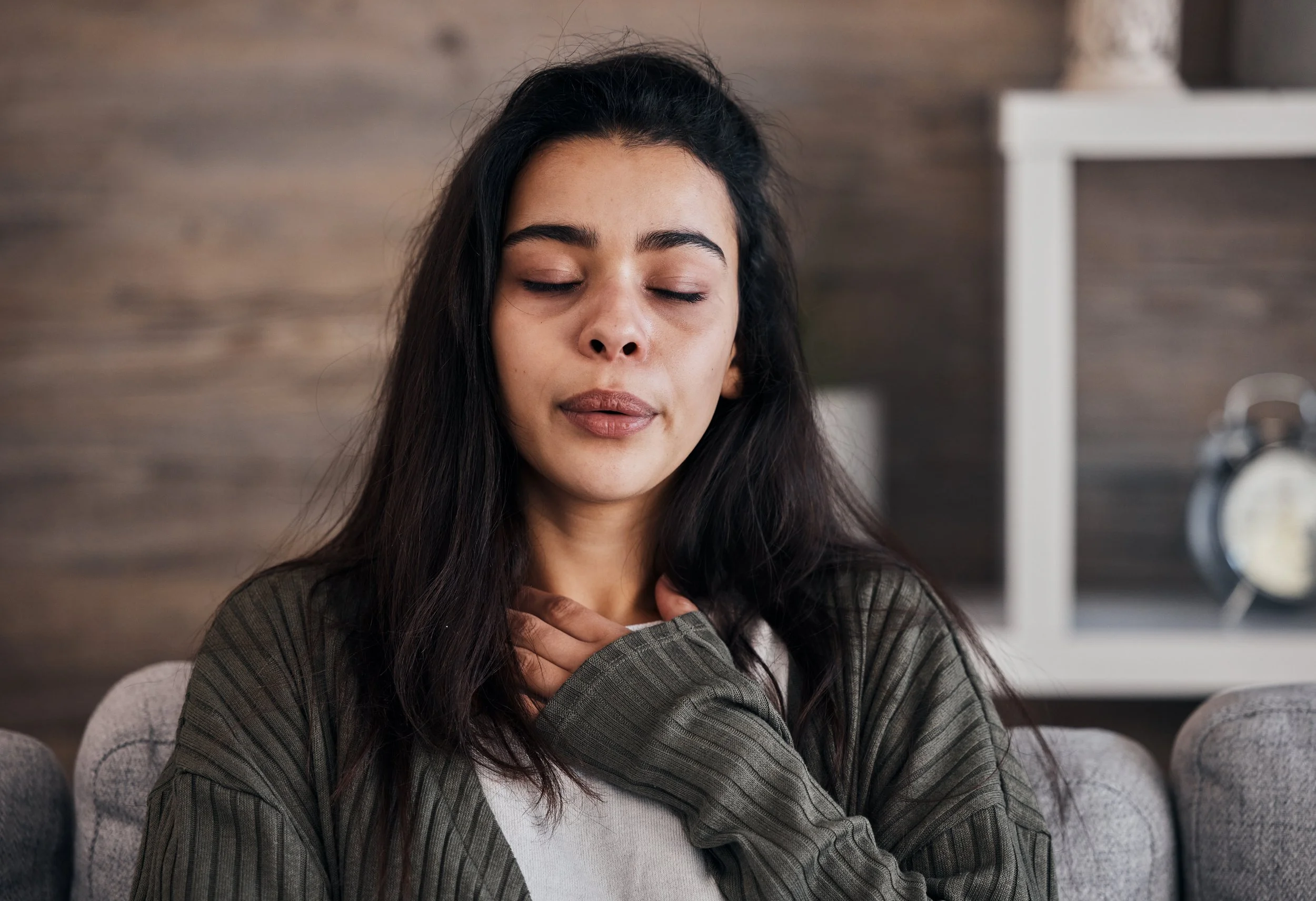
Grounding techniques reduce anxiety by moving attention away from internal threat narratives and toward external sensory information, which interrupts rumination and steadies perception. Grounding relies on sensory cues including sight, sound, touch, smell, and taste to anchor awareness in the present and lower autonomic arousal.
The 5-4-3-2-1 Method
The 5-4-3-2-1 grounding method walks attention through five senses to create immediate present-moment awareness and reduce anxious thinking.
To practice, name five things you can see, four things you can touch, three sounds you can hear, two smells you notice (or two remembered smells), and one thing you can taste or a single breath you can savor. Move slowly and, if helpful, describe each item in a short sentence to fully engage the sense. This distracts the mind from catastrophic predictions and lowers physiological arousal. The method is discreet, quick, and effective in both public and private settings.
An example sequence might sound like this: "I see a blue cup, a window, a green plant, a poster, and a lamp. I can touch the fabric of my sleeve, the arm of my chair, my phone, and my shoe." Continue with sounds, smells, and taste or breath.
Other Sensory Awareness Exercises
Alternate seAlternate sensory exercises give you flexible grounding options that suit different levels of privacy and portability, and they can be mixed into a five-minute routine. Portable choices include holding an ice cube or cold pack for thirty to sixty seconds to produce a sharp interoceptive shift, carrying a textured object like a smooth stone to trace with your fingers, or keeping a small scent vial to inhale two slow breaths.ise engages a different sensory pathway.
Choose based on your environment. Scent anchors work best in private, while visual naming is ideal in public. Keep a small textured object in your pocket for use in public. Use scent anchors at home or in semi-private spaces. Choose visual or auditory anchors when handling objects is not practical.
Mindfulness and Movement Practices
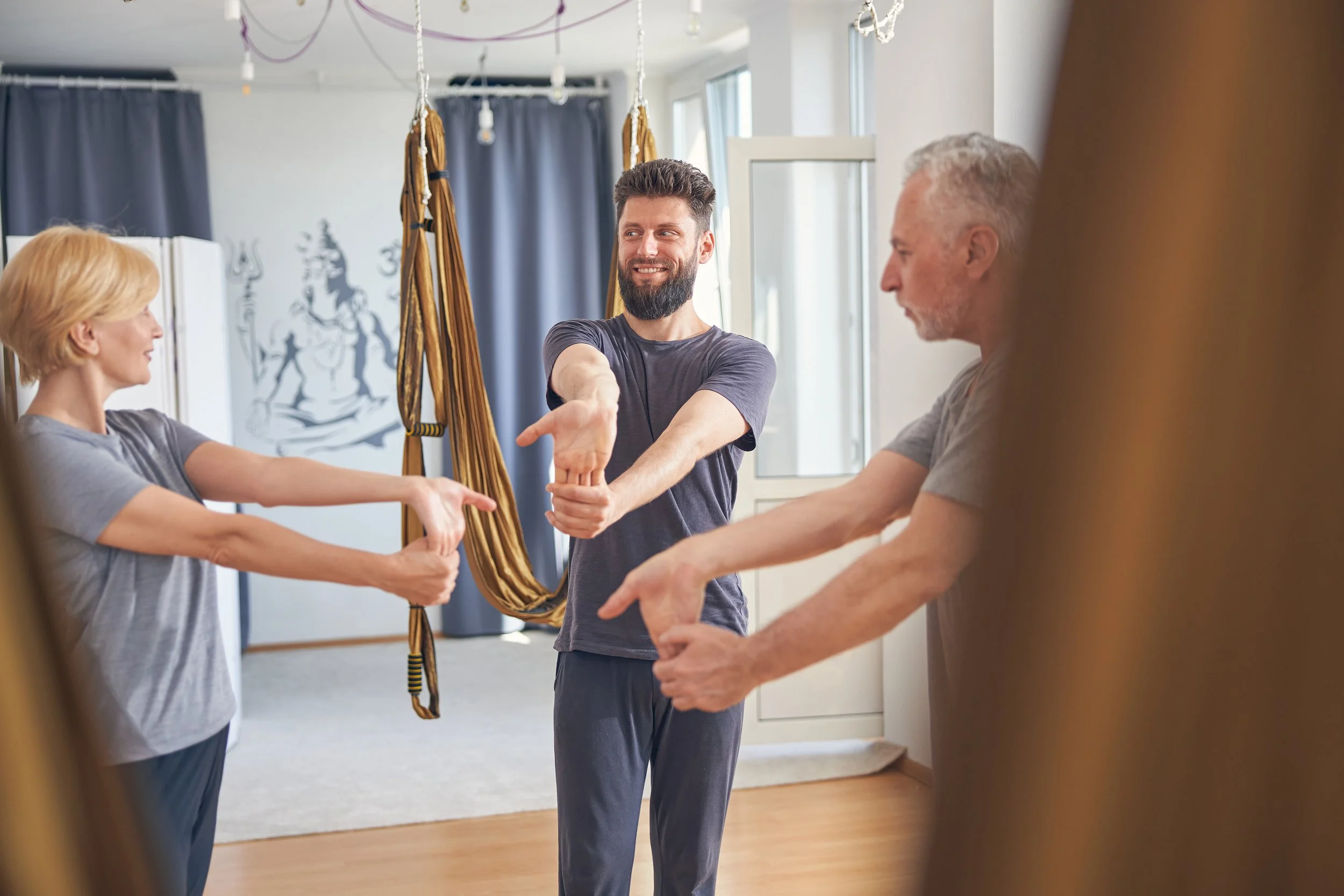
Micro-mindfulness and brief movement practices help by releasing muscle tension, increasing proprioceptive feedback, and bringing attention into the body. Short movements and a five-minute body scan can recalibrate the nervous system and reduce arousal when done intentionally.
Simple Stretches and Physical Movements
Short movement sequences calm quickly by engaging large muscle groups and providing interoceptive signals that the brain interprets as safety. Effective micro-movements include slow shoulder rolls, gentle neck stretches, slow standing squats (or grounding mini-sits if standing is not possible), chest-opening breaths with gentle spinal extension, and ankle circles to release lower body tension.
Do each movement slowly for five to ten repetitions, pairing inhalations with opening movements and exhalations with release. This syncs breath and motion to speed down-regulation. These discreet exercises work well in offices, on transit, or at home and flow into a seated body scan or breathing sequence.
A quick micro-routine might include three slow shoulder rolls forward and back, two gentle neck stretches on each side while breathing slowly, and five slow squats or grounding mini-sits while syncing breath with motion.
Five-Minute Body Scan Meditation
A five-minute body scan leads attention through body regions, noticing sensations without judgment to reduce sympathetic arousal and restore cognitive control.
Begin seated or lying down. Take a slow breath and bring attention to the feet for thirty to forty-five seconds, then move to calves, thighs, pelvis, lower back, abdomen, chest, hands, arms, shoulders, neck, and face. Pause briefly at each area to notice tension and breathe into it. If your mind wanders, label the thought as "thinking" and gently return to the next body region. This trains attention flexibility and lessens the emotional charge of bodily sensations.
A quick script outline: During the first minute, focus on feet to knees and notice contact and tension. During the second minute, move from hips to chest, softening and breathing. During the third minute, attend to hands and arms, releasing grip and jaw tension. During the fourth minute, scan from neck to face, letting go of held tightness. During the fifth minute, take a whole-body breath to integrate and breathe slowly.
Cognitive Shifts and Distraction Techniques
Brief cognitive techniques and distraction methods change what your attention is doing, which can quickly reduce how intense anxiety feels. Micro-CBT moves including naming the thought, doing a rapid evidence check, and offering a balanced alternative shift the story your mind tells. Distraction strategies such as counting backward, reciting a poem, or solving a quick puzzle redirect cognitive resources away from threat processing.
Distraction Methods to Refocus Your Mind
Distraction methods interrupt rumination by redirecting attention to a neutral or engaging task, breaking cycles of worry and reducing arousal within minutes.
Practical choices include counting backward from one hundred by sevens, silently reciting song lyrics or a poem line by line, doing a quick observational task (for example, listing five geometric shapes in the room), texting a trusted friend a short message, or completing a simple logic puzzle on your phone.
Match the method to your environment. Counting or reciting works in public, while a puzzle or text may be better in private. Use it for one to three minutes to regain cognitive control. These tactics help in the short term but should not replace deeper processing when needed.
Challenging Anxious Thoughts
Micro-CBT uses a short three-step script to test worries and reduce their charge: name the thought, weigh quick evidence for and against it, and generate a realistic alternative statement.
For example, if the thought is "I will fail this meeting," name it ("That's a future-failure thought"), note evidence for and against the claim (past preparation, current practice), and reframe with a balanced statement ("I'm prepared and will focus on what I can control"). This sixty to ninety second process shifts appraisal from catastrophic prediction to realistic assessment, which lowers anxiety through cognitive reappraisal.
A 2016 study showed that brief training to promote cognitive reappraisal, followed by daily practice for one week, can reduce social anxiety symptoms.
When to Seek Professional Help
Deciding when to move from self-help to professional care depends on frequency, severity, functional impact, and whether substance use complicates treatment. Seek an evaluation when anxiety is daily, causes meaningful avoidance or impairment at work or in relationships, includes panic attacks that prompt emergency care, or when substance use increases as a coping strategy.
Chronic anxiety involves persistent, disproportionate worry that lasts for months and interferes with daily functioning. Temporary anxiety arises from specific stressors and usually eases as the situation changes. Red flags for chronic or clinical anxiety include ongoing avoidance, falling performance at work or school, disrupted sleep, and increased reliance on substances to manage symptoms.
Integrated dual-diagnosis treatment addresses both mental health and addiction together because treating one without the other often leaves important vulnerabilities untreated. Dunham House provides integrated dual-diagnosis treatment that combines addiction care with concurrent mental health support. Programs include residential and outpatient formats designed to help adults and families through coordinated, evidence-based interventions.
Conclusion
Five-minute anxiety relief techniques can improve your capacity to manage stress and regain control in overwhelming moments. These evidence-informed practices offer immediate, practical benefits that fit into everyday life. If you need more sustained support, integrated treatment options can complement these tools and support longer-term recovery.
Explore our resources or contact Dunham House to learn how coordinated care can help you or a loved one move toward greater calm and balance.
Dunham House
About Dunham House
Located in Quebec's Eastern Townships, Dunham House is a residential treatment centre specializing in addiction and providing support to individuals with concurrent mental health challenges. We are the only residential facility of our kind in Quebec that operates in English.
Our evidence-based programs include a variety of activities such as art, music, yoga, and equine-assisted therapy. In addition to our residential services, we offer a full continuum of care with outpatient services at the Queen Elizabeth Complex in Montreal.