
Neuroplasticity Exercises to Support Brain Recovery in Addiction
Neuroplasticity is the brain’s ability to reorganize itself by forming new neural connections over time. That flexibility matters in addiction recovery because it lets people replace harmful habits and reactions with healthier ones. Below, we outline practical exercises, physical, cognitive and mindfulness-based, that support neuroplastic change and strengthen the brain during rehabilitation. Many in recovery face cognitive and emotional challenges that slow progress; pairing targeted exercises with treatment helps improve brain health and long-term outcomes. We’ll cover the most effective movement practices, cognitive approaches and mindfulness techniques you can integrate into a rehab plan.
Which Physical Exercises Best Enhance Neuroplasticity During Recovery
Physical activity is a powerful driver of neuroplasticity during addiction recovery. Regular movement improves overall health and stimulates the production of brain‑derived neurotrophic factor (BDNF), a key protein that supports neuronal growth and survival.
Below, we outline which forms of exercise most reliably boost neuroplastic processes.
Growing evidence shows that different exercise types can target neural pathways linked to cognition, emotional control and craving , making exercise a valuable adjunct to treatment.
Exercise Modalities & Neuroplasticity for Addiction Recovery
This review synthesizes evidence to propose a novel ‘Exercise Modality–Neural Target–Rehabilitation Stage’ integration model, elucidating how aerobic, resistance, and mind–body exercises differentially target specific neural pathways to ameliorate cognitive deficits, emotional dysregulation, and craving in Meth use disorder.

How Does Aerobic Exercise Increase BDNF and Support Brain Healing?
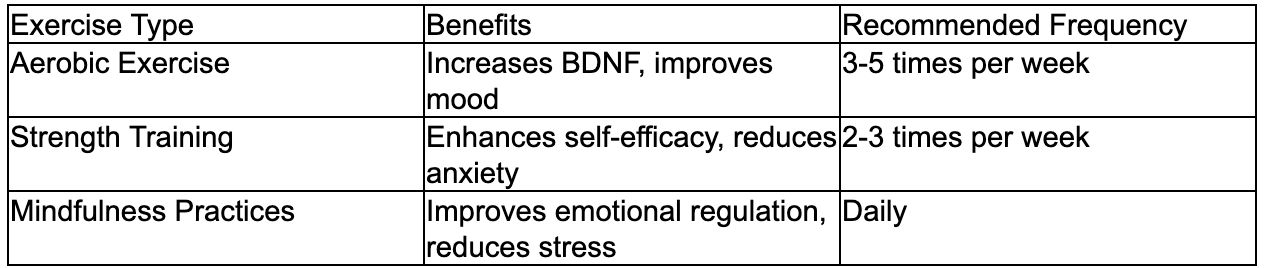
Aerobic activity — running, swimming or cycling — reliably raises BDNF levels, which helps the brain form new connections and recover from damage. It also improves cardiovascular fitness, which increases blood flow, oxygen and nutrients to the brain. Studies link regular aerobic exercise with better mood and sharper thinking, so including aerobic exercises in daily routines can create a biological environment that supports recovery.
What Role Do Strength and Balance Exercises Play in Brain Health?
Strength and balance work, such as resistance training and yoga, reinforce neurobiological systems that underpin emotional stability and resilience. These practices can boost confidence, reduce anxiety and improve overall self‑regulation , which are important for long-term recovery . Adding strength and balance sessions to a rehab plan gives both physical and mental benefits that support sustained change.
What Cognitive and Mental Exercises Promote Brain Recovery in Addiction?
Cognitive and mental exercises are essential complements to physical activity. They teach new skills, improve emotional regulation and offer practical tools to manage craving. The approaches below help engage and reshape the neural circuits involved in addiction.
Which Cognitive Rehabilitation Exercises Improve Neuroplasticity?
Structured psychotherapies like Cognitive Behavioural Therapy (CBT) and Dialectical Behaviour Therapy (DBT) have been shown to foster neuroplasticity by helping people reframe thinking patterns and strengthen regulation skills. Creative therapies — art, music and expressive practices — also support emotional processing and cognitive flexibility. Integrating these modalities into treatment plans encourages meaningful changes in both behaviour and brain function.
Indeed, psychotherapeutic interventions such as CBT and DBT are recognized for promoting neuroplasticity and improving emotional regulation in people with addiction.
Psychotherapy, Neuroplasticity & Emotional Regulation in Addiction
Psychotherapeutic interventions, such as CBT and DBT were shown to facilitate neuroplasticity, flexibility, and emotional regulation in individuals with addiction.
How Do Mental Exercises Aid Dual Diagnosis and Addiction Recovery?
Mental exercises ,mindfulness, guided journaling and structured coping practices , are especially helpful for people with co‑occurring mental health conditions. They ease withdrawal-related distress, build daily routines and teach concrete strategies for emotion and craving management. When mental exercises are woven into rehab, they strengthen recovery by addressing both psychiatric symptoms and addiction-related behaviour.
How Can Mindfulness and Meditation Techniques Boost Neuroplasticity
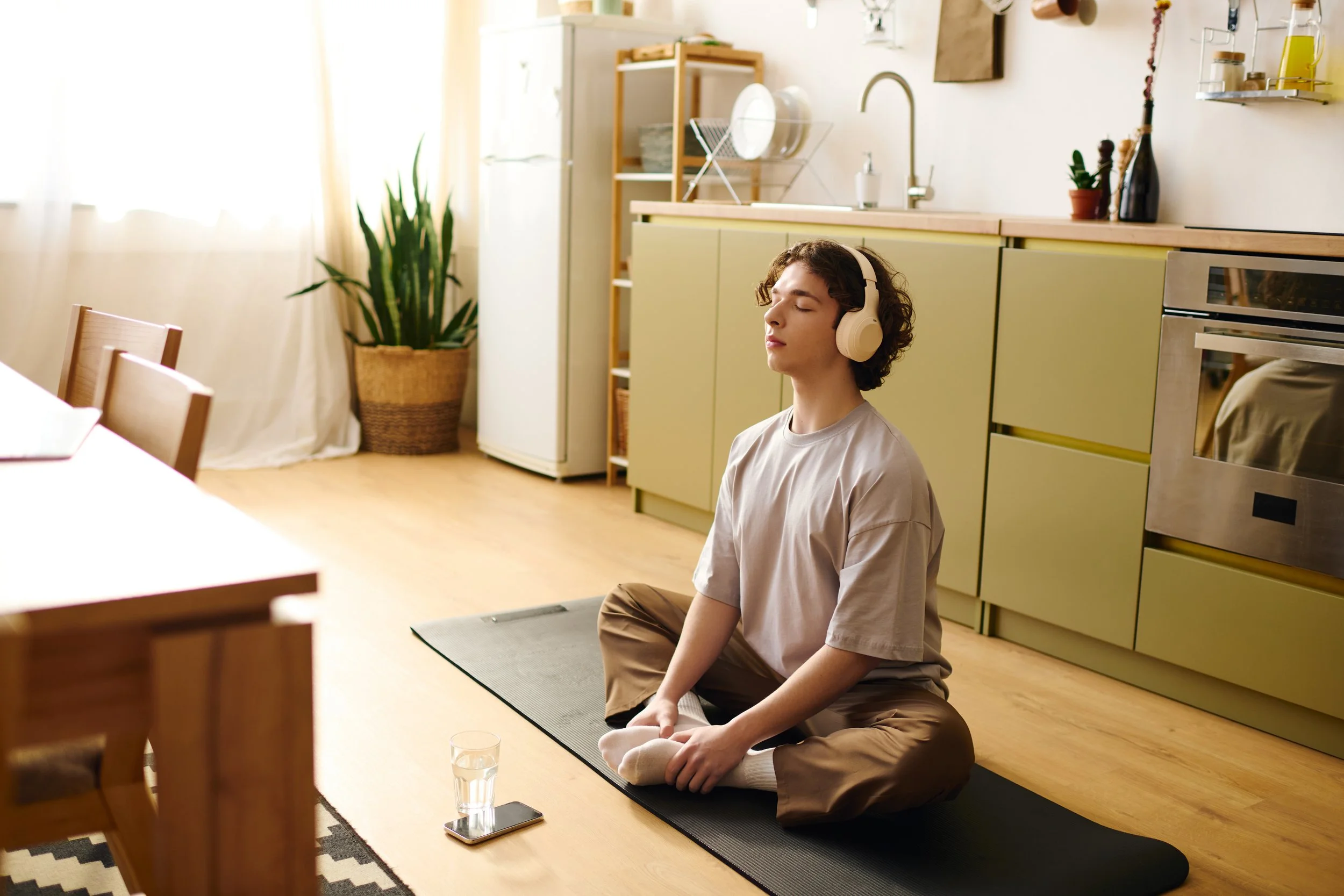
Mindfulness and meditation are effective tools for strengthening brain networks involved in attention, self‑regulation and stress resilience. Regular practice can reduce reactivity, improve insight and promote structural and functional changes that support recovery. Below, we outline key benefits and practical ways to bring these practices into treatment.
What Are the Benefits of Mindfulness Meditation for Brain Plasticity?
Mindfulness practice improves emotional regulation and cognitive flexibility and is associated with measurable changes in brain structure over time. These changes can make people more resilient to stress and better able to manage cravings and difficult emotions. Adding mindfulness to daily routines enhances the therapeutic impact of other recovery interventions.
Specifically, research highlights how mindfulness meditation can induce neuroplastic changes that support addiction recovery.
Mindfulness Meditation Induces Neuroplasticity for Addiction Recovery
Studies suggest that mindfulness meditation can lead to structural changes in the DLPFC, potentially reinforcing the regulatory mechanisms needed for addiction recovery [87].
How to Integrate Mindfulness Practices into Rehab Programs?
Programs can integrate mindfulness in straightforward, sustainable ways: short daily guided meditations, reflective journaling exercises, and mindful movement like gentle yoga. These practices are easy to schedule, complement counselling and provide practical tools people can use long after treatment. Prioritizing mindfulness helps create a calmer, more focused recovery environment.
What Are Effective Ways to Incorporate Neuroplasticity Exercises into Rehab Programs?
To get the most benefit from neuroplasticity-focused work, programs should combine movement, cognition and mindfulness into a coordinated plan. Below are practical strategies that make that integration effective and sustainable.
Combine Exercise with Therapy: Pair physical activity with cognitive and behavioural therapies so gains in fitness translate to better emotional control and coping skills.
Utilize Diverse Exercise Modalities: Offer a range , aerobic, strength and balance , so people can choose activities they enjoy and stick with them.
Create Structured Routines: Build daily schedules that include physical, cognitive and mindfulness practices to encourage consistency and gradual progress.
Using these approaches helps treatment teams deliver well‑rounded programs that support brain recovery and long‑term wellbeing.
Role of Dunham House in Supporting Neuroplasticity and Addiction Recovery
At Dunham House, we incorporate neuroplasticity‑focused practices into individualized recovery plans. By combining movement, evidence‑based therapies and mindfulness, our multidisciplinary team helps people rebuild healthy neural pathways and emotional resilience. We emphasize structured routines and a variety of exercise options so each person can find sustainable practices that fit their needs. Our approach is rooted in current research and tailored care , designed to support lasting recovery and better brain health.
Conclusion
Integrating neuroplasticity exercises into addiction recovery offers significant benefits, including improved emotional regulation, cognitive flexibility, and overall brain health. By combining physical activity, cognitive therapies, and mindfulness practices, individuals can create a comprehensive approach that supports lasting change. Embrace these strategies to enhance your recovery journey and foster resilience. Discover more about our tailored programs and how we can support your path to recovery today.

Dunham House
About Dunham House
Located in Quebec's Eastern Townships, Dunham House is a residential treatment centre specializing in addiction and providing support to individuals with concurrent mental health challenges. We are the only residential facility of our kind in Quebec that operates in English.
Our evidence-based programs include a variety of activities such as art, music, yoga, and equine-assisted therapy. In addition to our residential services, we offer a full continuum of care with outpatient services at the Queen Elizabeth Complex in Montreal.