
Best Dual Diagnosis Treatment Centres in Canada: A Practical Guide to Integrated Addiction and Mental Health Care
Dual diagnosis describes the co‑existence of a mental health condition and a substance use disorder. Treating both at once, an approach called integrated care, is vital because the two conditions often affect one another. This guide outlines Canada’s leading dual diagnosis treatment centres, what integrated programs look like, and how they support people and families through recovery. If you or a loved one feels overwhelmed by options, this article aims to clarify the landscape, describe available supports, and explain how to access these services. We cover the definition of dual diagnosis, notable rehab centres, the support systems in place, and ways to get involved.

What is Dual Diagnosis and Why is Integrated Treatment Essential?
Dual diagnosis means a person has both a mental health disorder and a substance use disorder at the same time. Because each condition can worsen the other, treating only one often leaves the other untreated and recovery fragile. Integrated treatment addresses both conditions together with a coordinated plan, improving outcomes and helping people build a more stable, healthier life. This model also helps families by offering clear guidance and involving them in recovery when appropriate.
Knowing how common dual diagnoses are and what they look like in Canadian treatment settings helps clinicians design better care, as underscored by studies tracking trends in addiction hospitals.
Dual Diagnosis Trends at a Canadian Addiction Hospital
ABSTRACT: Objectives: Dual diagnosis refers to co‑occurring substance use and psychiatric disorders. The principal aims of this investigation were two‑fold: 1) to identify aspects of patients' drug use and prior treatment histories associated with their receiving a dual diagnosis upon admission to the Donwood Institute, a residential drug treatment facility located in Toronto, Canada; 2) to track temporal trends in the rates of diagnosed comorbidities over a five‑year period at this same institution.
Temporal trends in rates of dual diagnoses at a Canadian addictions hospital over a five‑year period, NJ Kolla, 2006
Defining Dual Diagnosis: Addiction and Mental Health Disorders Combined
Addiction involves repeated, harmful use of substances despite negative consequences. Mental health disorders cover conditions that affect mood, thinking and behaviour. These often occur together, for example, someone with depression may use alcohol to cope, which can then deepen depressive symptoms. Recognizing this link allows providers to design treatments that address both problems simultaneously rather than treating them separately.
Benefits of Integrated Addiction and Mental Health Care for Recovery Outcomes
Integrated care brings several practical benefits for people with dual diagnosis. It typically improves recovery rates by treating both conditions together through coordinated therapy, medication management where needed, and ongoing support. Patients also gain access to tailored group and individual therapies that reflect their combined needs. Families benefit, too. Integrated programs often provide education and resources to help loved ones support recovery and reduce the risk of relapse.
Which Are the Leading Dual Diagnosis Rehab Centres in Canada?

Dunham House
Across Canada, there are several centres experienced in treating concurrent disorders. These programs vary in format and intensity so people can find care that fits their clinical needs and life circumstances.
Overview of Top Concurrent Disorders Programs Across Canada
The table below highlights some well‑known dual diagnosis treatment providers and the core programs they offer.
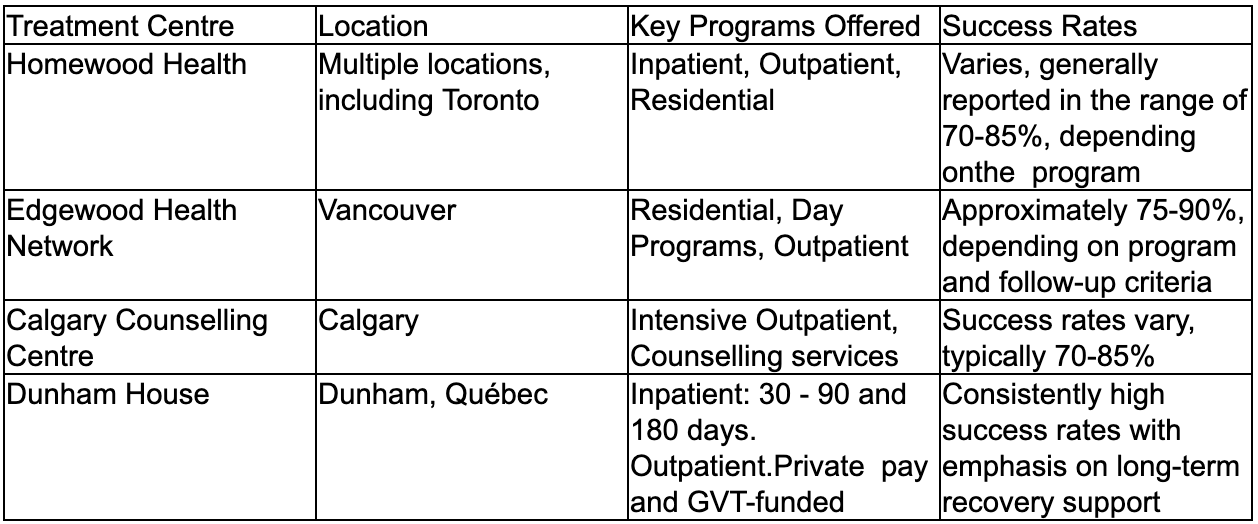
Each of these centres is known for offering structured, evidence‑informed care and ongoing support for people managing both mental health and substance use challenges.
Unique Features of Dunham House’s Dual Diagnosis Treatment Programs
Dunham House specializes in integrated care tailored to each person’s needs. Our programs combine individualized treatment plans, multidisciplinary teams (including clinicians experienced in addiction and mental health), and a community‑centred environment that supports long‑term recovery. As a charity, Dunham House offers government‑funded treatment alongside private options to help make care accessible to more people.
We prioritize dignity, practical skill building, and close follow-up; people leave treatment with tools they can use at home.
How Do Dual Diagnosis Treatment Programs Support Patients and Families?

Good dual diagnosis programs treat the whole person and their support network. That means clinical care for the individual, plus education, counselling, and family involvement, which strengthen recovery and reduce confusion about next steps.
Role of Family Support in Concurrent Disorders Therapy
Family involvement is a strong predictor of positive outcomes. When families participate in therapy and education sessions, they learn how to support recovery, spot warning signs, and communicate in ways that reduce conflict. Family‑inclusive approaches also help repair relationships and build a safer, more stable home environment for long‑term recovery.
Patient Testimonials and Success Stories from Canadian Centres
Stories from people who’ve gone through and undergone integrated treatment are essential to transform lives. Testimonials often describe regaining control, improving mental health, and rebuilding relationships — real examples that can encourage others to seek help and stick with treatment.
How Can You Enroll and Support Dual Diagnosis Treatment Centres in Canada?
Taking the next step can feel daunting, but many centres provide clear pathways into care. Understanding the typical admissions process and the ways you can support centres will help you make informed choices for yourself or a loved one.
Step-by-Step Guide to Enrollment in Dual Diagnosis Rehab Centres
The enrollment process commonly follows these steps:
Initial Assessment: A clinical assessment identifies symptoms, past treatment, and the level of care needed.
Program Selection: Based on the assessment, clinicians recommend inpatient, outpatient, or residential options that best fit the person’s needs.
Admission: After selecting a program, admission includes intake paperwork and arranging funding or payment details.
This staged approach helps ensure each person gets the right level of care at the right time.
Ways to Donate and Get Involved with Canadian Treatment Programs
There are meaningful ways to support dual diagnosis services beyond direct care. Contributions — financial or time — help centres maintain programs and reach more people.
Donations: Financial gifts support treatment programs, scholarships, and essential services for clients.
Volunteering: Centres often welcome volunteers to assist with activities, peer support and community outreach.
Advocacy: Sharing reliable information about dual diagnosis and integrated care helps reduce stigma and encourages others to seek help.
Getting involved strengthens the network of care and broadens access for people living with concurrent disorders in Canada.

Dunham House
About Dunham House
Located in Quebec's Eastern Townships, Dunham House is a residential treatment centre specializing in addiction and providing support to individuals with concurrent mental health challenges. We are the only residential facility of our kind in Quebec that operates in English.
Our evidence-based programs include a variety of activities such as art, music, yoga, and equine-assisted therapy. In addition to our residential services, we offer a full continuum of care with outpatient services at the Queen Elizabeth Complex in Montreal.