
Addiction in Older Adults: Why It's So Easy to Miss

Is Mom drinking more than she used to, or are you reading too much into it? Maybe it's a glass of wine at lunch now, and another before supper. Maybe Dad's been refilling the same sleeping pills for years and seems foggier every time you visit. You tell yourself it's probably just age. Most families do.
It's reasonable to have that instinct, and that is also the reason why substance use among older people goes unnoticed for such a long time.
According to Statistics Canada, people aged 65 to 74 have historically been more likely to report drinking every day than any other age group. That doesn't make them addicted. A glass of wine with supper can be just that.
Later in life, though, alcohol carries risks it didn't at 40: it can clash with a sleeping pill or blood pressure medication, and it makes a fall more likely for someone who's already a little unsteady on the stairs. Yet it's rarely the thing anyone asks about, at the doctor's office or at the kitchen table. As a result, seniors and the families who care for them are left in the dark.
The pattern becomes a lot easier to recognize once you know what to look for, and assistance available at the ages of 65, 75 or over is different from what most people anticipate.
Why more older adults are struggling now
A few individuals have always had a difficult association with alcohol, it eventually affects them as their health changes, while others didn't experience any problems until their late sixties. A change must have taken place: they retired and thus lost the routine of a working day, a spouse died, friends moved away or died, and chronic pain began to appear, as well as the evenings becoming longer.
It's easy to fill that gap with alcohol or with medication; older people are prescribed more drugs than any other age group, for example sleeping pills, anti-anxiety drugs and opioid painkillers, and a drug taken for years can result in dependence even if no conscious decision has been made to do so.
There's also a generational factor involved. The people who are retiring today reached adulthood at a time when having a drink after work (or even three) was something that adults normally did. For them, drinking every day doesn't carry the same stigma as it might for their children.
Why the body handles it differently after 65
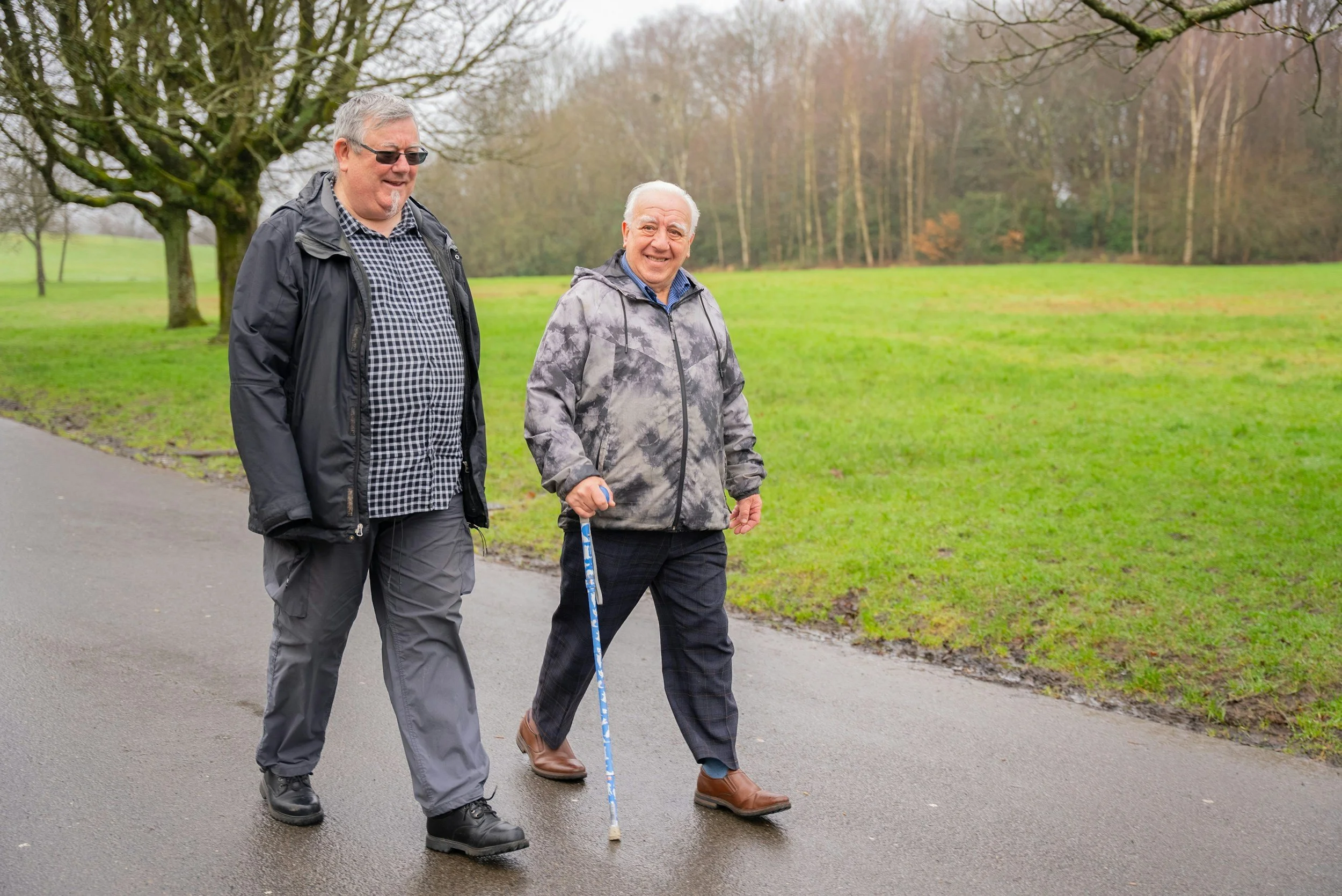
The effect of those two drinks is more intense when a person is 70 than when they are 40. This is because, as we get older, our bodies contain less water and so the alcohol remains more concentrated in the blood. Moreover, the liver deals with it more slowly. A person who has not altered their habits in any way can therefore end up being much more affected by them.
Add medication as well, since alcohol interacts with a wide variety of common prescriptions, ranging from pills for high blood pressure to sleep remedies, and in many cases such combinations increase the risk of confusion, dizziness, and falls; for an older person, a single fall can result in a broken hip and a long recovery.
That is also the reason why it is not always safe to stop drinking suddenly. If a person has been drinking every day for many years or has been regularly taking sedatives, withdrawal can involve real medical risks and should therefore be managed with a doctor's involvement rather than being attempted at home without medical supervision.
Why it's so easy to miss
Stigma plays a major role in it and affects all people simultaneously.
Older people frequently suffer from a great deal of shame. In their youth they lived in an era when nothing at all was said about mental health, let alone when it was treated. When one admits to having a problem with alcohol or to being depressed underneath it all, it can seem as though one is confessing a moral failure, and so they keep it hidden, having done so for many decades.
For families the signs that something is wrong are very similar to the effects of getting older, such as forgetfulness, bad sleep, falling on the stairs and losing interest in things they used to enjoy. It is simpler and a lot less embarrassing to attribute it to aging than it is to bring up a matter which could lead to an argument.
A retired teacher who is 74 years old is rarely the kind of person that healthcare providers associate with a substance use problem; their appointments are short and there are other health matters to look at, so the question regarding alcohol is usually not raised.
While the individual, the family and the doctor each turn their attention away for their own reasons, many years can go by without anyone saying what is going on.
Warning signs that get mistaken for aging

Just none of these individually indicates that a person has a problem; it's only when you have a cluster of them or a change which cannot be explained that it merits a more detailed examination.
Memory lapses or confusion that come and go, especially later in the day
Falls, bruises or small injuries they can't quite account for
Refilling prescriptions early, or getting the same medication from more than one doctor
Drinking alone, or at times of day they never used to
Pulling away from friends, church, clubs or family visits
Mood swings, irritability or low mood, particularly after a loss
Neglecting meals, housework or personal care
Getting defensive when you mention their drinking or their pills
Empty bottles in the recycling that don't match what they say they drink
Depression and anxiety should be given particular attention in this context since in older adults they often occur together with substance use and each condition makes the other worse. Focusing on only one aspect of the problem is unlikely to be effective.
How to bring it up with a parent or older loved one
There is no flawless script and the initial conversation usually doesn't proceed as you had practiced it. Certain factors do, however, increase the chances of it working.
Pick your moment
Talk to them when they are sober and have had a good night's rest, in private and when you have some extra time. Don't discuss it at a family meal and not immediately after the incident when everybody is upset.
Start with something specific
‘‘The worry I felt when you fell last month ‘‘provides them with a specific thing to reply to; since general remarks about their drinking usually lead to denial, it's better to explain what you've observed and postpone the conclusions until later.
Leave the labels out
Terms such as 'alcoholic' or 'addict' quickly bring conversations to a halt, particularly when dealing with a generation that heard them being used as insults; instead, discuss their health, their sleep, and their safety.
Bring their doctor in
Older people will often follow their family doctor rather than their children, so you should offer to go with them to the appointment.
Expect more than one conversation
The fact that you say no once doesn't mean the situation is over; you should keep the door open, stay in touch, and look after yourself as well. Families have to bear a great deal of this burden, and the support we give them is just as important as the support given to the person who is drinking.
What treatment looks like for older adults

Recovery in later life can be achieved, and medication designed for younger people doesn't necessarily suit. Proper care for a person in their 60s, 70s or 80s usually involves:
A medical assessment first, so withdrawal is safe and existing health conditions and medications are taken into account
Attention to what's underneath: grief, loneliness, depression, anxiety, the loss of a role or routine
A pace that makes sense, with enough rest and structure without feeling rushed
Family involvement, because adult children and spouses are usually part of both the problem and the solution, and they need support of their own
A plan for going home, since the loneliness that fed the drinking will still be there unless something replaces it
At Dunham House we provide care for adults of all ages, including those who are well into retirement. Since we have a dual-diagnosis approach, the depression or grief which usually lies beneath late-life drinking is treated together with the substance use rather than being dealt with afterwards. Each care plan is tailored to the individual, taking into account their health, personal history and family, and the arrangements are made in the private setting of Quebec's Eastern Townships. For some people a residential stay of 30 or 90 days is most appropriate. For others, outpatient care is more suitable as it allows them to remain at home, near the people and the routines that are important to them.
Frequently asked questions
Should it be too late to give up drinking by the age of 70?
Certainly, older people are able to reduce or stop their use, and a number of them observe changes in their sleep, memory, balance and mood when they do so. Each individual's experience is different and the appropriate method will vary according to their health and medical history, which is why it is a good idea to have a medical evaluation as the first step.
Is it possible for older people to enter a residential treatment facility?
Yes. Residential programs can be a good fit for older adults, especially those who live alone or need medical oversight during withdrawal. The key is a program that adapts to their health needs and pace.
What if my parent refuses help?
That's typical, especially in the beginning. Keep on talking, get your doctor involved and obtain support for yourself. A family program can assist you in finding out where the boundary lies between supporting someone and making it easier for them to keep drinking.
Is dependence on prescribed drugs the same as addiction?
It isn't always the case that a person can become physically dependent on a medication which they are taking exactly as prescribed; nevertheless, it is still worthwhile having a discussion with their doctor since dependence can be managed and the medications can usually be reduced safely.
You don't have to figure this out alone
If you're finding anything about your parent, your spouse, or yourself troubling, then it's a good idea to have a talk. Our team will go over what you're observing and discuss the various options that seem appropriate, without putting any pressure on you or making you feel obligated to do anything. You can reach us at 450-263-3434 or here .
Dunham House
About Dunham House
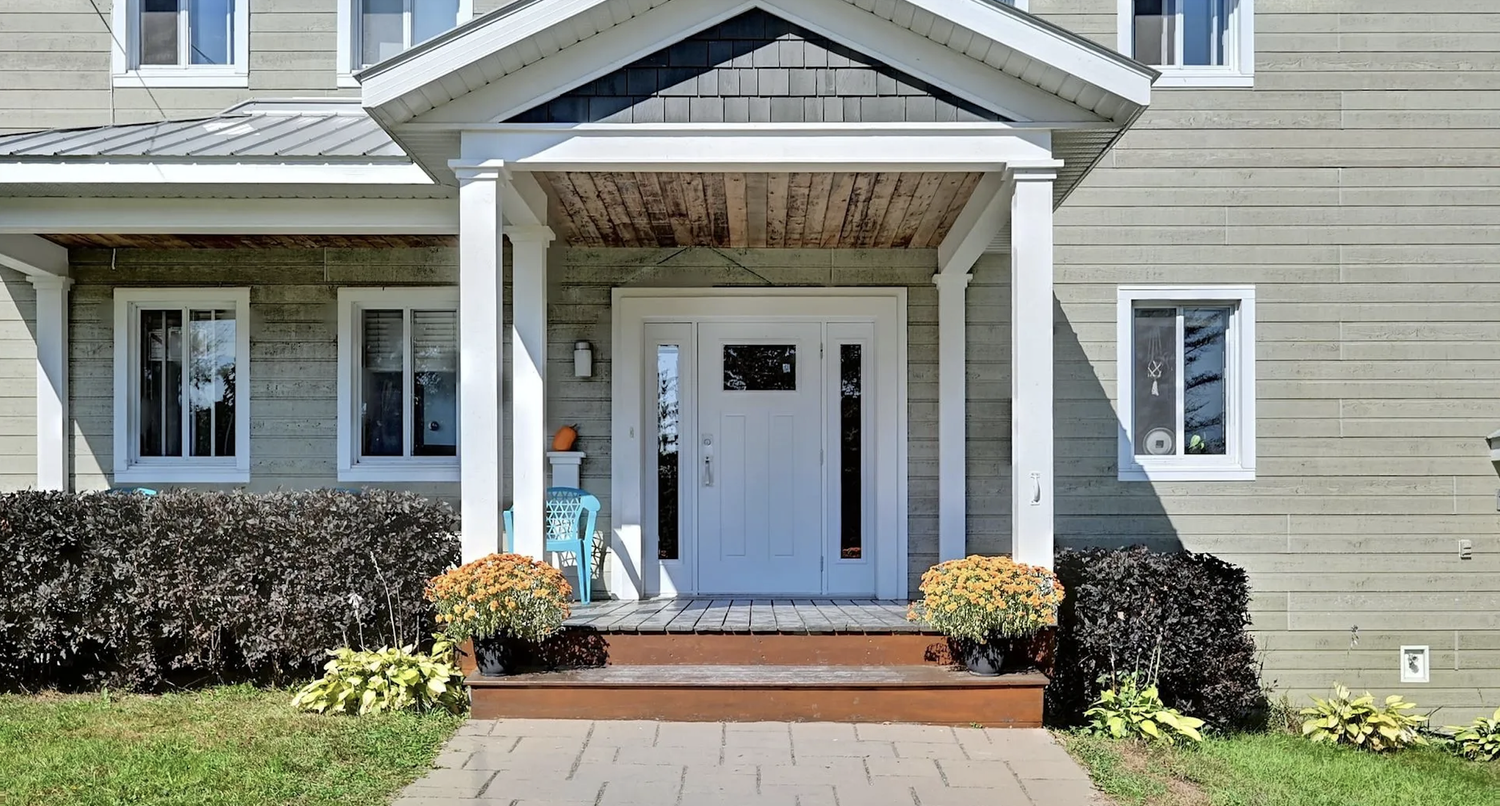
Located in Quebec's Eastern Townships, Dunham House is a residential treatment centre specializing in addiction and providing support to individuals with concurrent mental health challenges. We are the only residential facility of our kind in Quebec that operates in English.
Our evidence-based programs include a variety of activities such as art, music, yoga, and equine-assisted therapy. In addition to our residential services, we offer a full continuum of care with outpatient services at the Queen Elizabeth Complex in Montreal.