
The Role of Intergenerational Trauma in Addictions
There is usually a person in any family who suffers from addiction. A parent, a grandparent, or even a great-grandparent that no one likes to talk about. The patterns that addiction creates are so typical that they seem to be programmed somewhere in a family tree.
For several decades, this fact was used to say that there was some genetic basis of addiction. And yes, to some extent, the statement is true. However, now there is a body of clinical research that shows that the phenomenon is a result of another factor – intergenerational trauma.
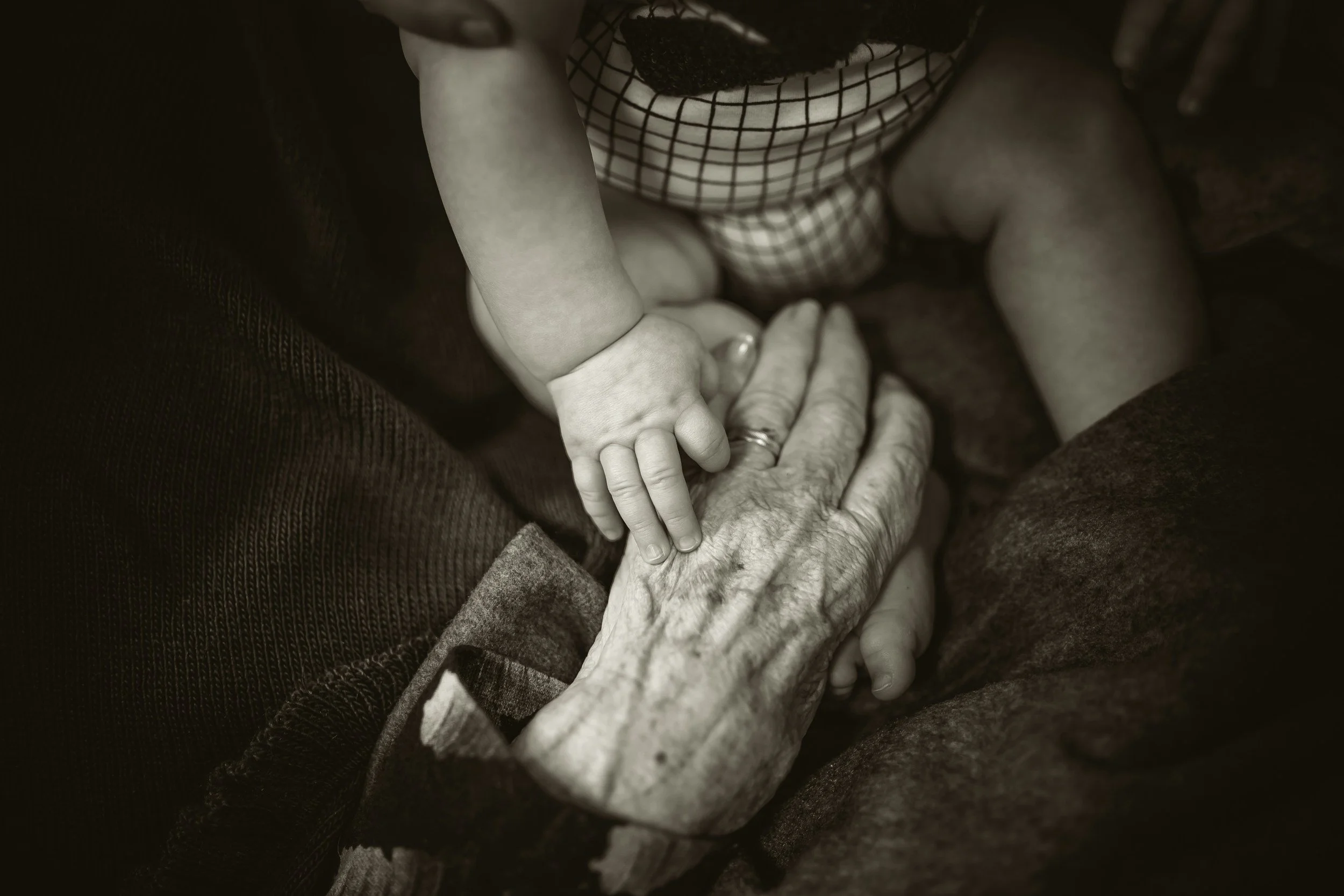
What is Intergenerational Trauma?
Intergenerational trauma is the term describing the psychological consequences of trauma experienced by a generation that passes it on to the following generations. In the description from the American Psychiatric Association, it can be defined as the unconscious grieving of historical trauma within a family line.
The first studies were conducted with families of Holocaust survivors showing high levels of PTSD, anxiety, depression, and addictions in their offspring despite having no personal experience of the historical trauma. However, the phenomenon was also detected in families affected by racism, war, colonisation, and forced displacement.
What is specific about the intergenerational trauma is that it occurs outside of the awareness of a child and is transferred through subtle processes of family relations, communication style, and atmosphere.
Trauma Transference Methods
There are at least three methods of passing on trauma to the future generations.
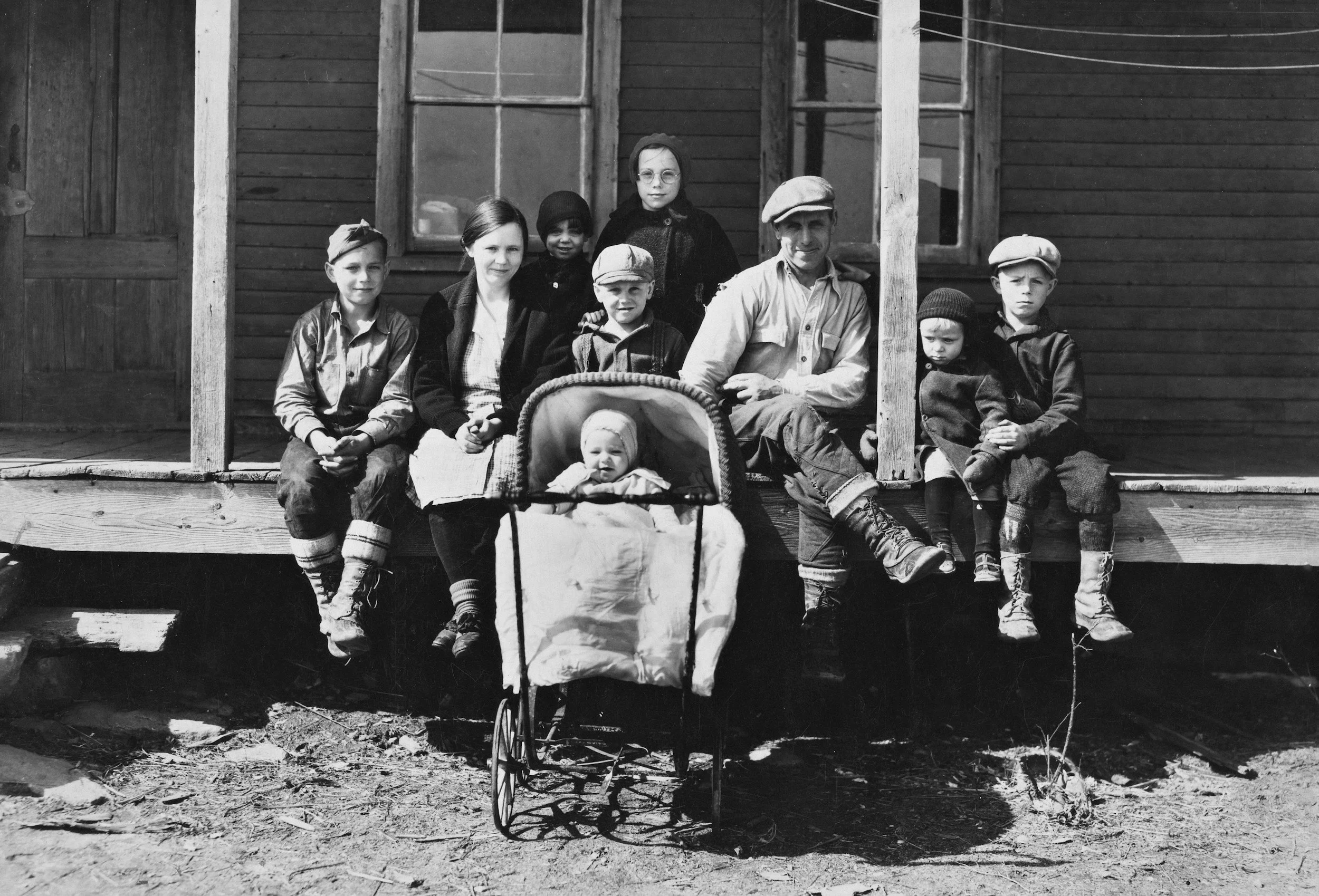
Learning behavior and environment
In families affected by unresolved trauma, children adopt the coping styles they are taught. When the only strategy to deal with stress and anxiety is avoidance, alcohol use or shutting down, it is the strategy that children copy and adopt. Dysfunctional family communication, emotional unavailability of a parent and constant stress are the factors increasing the risk of adopting dysfunctional coping style in the future. According to the National Council on Alcoholism and Drug Dependence, family history is one of the most reliable predictors of susceptibility to substance abuse disorders.
Attachment and relational patterns
Trauma affects the ability to form secure attachment. A parent struggling with intergenerational trauma has problems providing their child with the consistent and stable emotional atmosphere needed for forming healthy attachment. The disruption of attachment patterns makes a person vulnerable to anxiety, depression, problems with emotional regulation and consequently substance use to numb internal pain.
Biological and epigenetic factors
Here comes the part of the scientific research that is very fascinating. Epigenetics that studies behavioral and environmental influences on gene expression and regulation allows studying how trauma shapes our body. There was already a research in Frontiers in Psychiatry confirming that trauma affects stress-related genes that control the function of stress response and cortisol regulation. The epigenetic changes have been shown to exist in Holocaust survivors' offspring and are associated with increased risk of mental illnesses and substance use. Despite the complexity of the mechanism of human epigenetic inheritance compared to animal models, the evidence of epigenetics role in intergenerational trauma transfer is increasing.
Dual Diagnosis Linkage

This part of the phenomenon is particularly important to the clinical practice because intergenerational trauma doesn't produce a single consequence in the life of a person.
An individual struggling with intergenerational trauma is not only at risk of developing addiction. They are also prone to experiencing depression, anxiety, PTSD, disordered attachment, chronic stress and other mental disorders. All of these issues are described as co-occurring disorders or dual diagnosis.
However, many traditional addiction care programs ignore the connection between these disorders treating substance use disorder in isolation and ignoring mental illness behind it. Even if the patient stops taking substances they keep having the pain they numb with alcohol or other drugs leading to relapse.
Dual Diagnosis Treatment Model
The model of care that works with this particular phenomenon is the dual diagnosis model of treatment which recognizes the complex nature of substance use disorders and the necessity to treat both of the parts of the problem simultaneously.
In case of intergenerational trauma, this approach implies working with the therapist and psychiatrists who understand the addiction, its causes in trauma, the anxiety, depression and all of the patterns that have been developed within years or even generations.
Recognising the Patterns
Sometimes the recognition of the family pattern and its roots of origin is the most powerful moment in recovery.
It can sound as "my grandmother lost everything she had during the war and she never spoke about it. My mom was growing up in the atmosphere of fear and silence and she started drinking in her 20s. I started using during mine".
Or "my dad belonged to a family of people who saw that expressing emotions can bring disaster. So he closed himself and I copied him. And whenever it was too hard, I started finding something that would take the edge off".
These statements are not an example of weakness or moral failure of a person. It is the way a system has learned to survive. The strategies that one generation has created to manage the crisis situation become the vulnerability of the next one.
Recognising the patterns is not about putting blame on parents or grandparents. It is about seeing the origins of pain and treating them in the process of recovery.
Breaking the Cycle

The most hope-inspiring thing about the studies on intergenerational trauma is that it is not a permanent state. It is possible to break the cycle.
According to the research results in epigenetics, the supportive environment and therapy can revert the changes occurred because of the trauma. The clinically based programs aimed at addressing both of the disorders showed positive outcomes not only for the individual in treatment but for his or her family members as well.
How to Interrupt the Cycle?
The interrupting of the cycle requires more than willpower. It needs a clinically based environment where all of the aspects of the problem can be addressed: substance use disorder, mental health issues, family relationships, attachment problems and trauma history.
Also, it requires time. Unpacking decades-old patterns takes more than a few sessions. It takes structured, evidence-based treatment that gives a person the opportunity to understand their history, learn new strategies of coping and rebuild the skills that trauma has ruined.
What About Future Generations?
The cycle of intergenerational trauma is the one that affects families for many generations. And when it is broken, the future generations have a different story to follow.
Recovery changes the patterns that were passed from generation to generation and creates new ones that make people stronger.
Recovery makes people able to be aware of their internal experiences instead of trying to escape it. It teaches people how to be resilient. And it helps people to form healthy connections.
It is not a guarantee that it will happen in a few months. Recovery is a complicated and long-term process. But the researches confirm that with the right support it is possible to interrupt the cycle and have a generational impact.
When a person with addiction and co-occurring mental health disorders receives proper dual diagnosis care, he or she changes not only their life but also the life of their children and grandchildren. They change the patterns of avoidance, numbing and disconnect from patterns of awareness, resilience and connectedness.
What Do You Change With Recovery?
Intergenerational trauma teaches us that the consequences of pain affect many generations and influence the way people cope with their experiences and live.
But recovery teaches us how to pass different patterns forward.
Recovery is a difficult and continuous process but with the right support it is possible to interrupt the cycle and have a positive impact on future generations.

Dunham House
About Dunham House
Located in Quebec's Eastern Townships, Dunham House is a residential treatment centre specializing in addiction and providing support to individuals with concurrent mental health challenges. We are the only residential facility of our kind in Quebec that operates in English.
Our evidence-based programs include a variety of activities such as art, music, yoga, and equine-assisted therapy. In addition to our residential services, we offer a full continuum of care with outpatient services at the Queen Elizabeth Complex in Montreal.