
Mental Health Awareness Month: Breaking Addiction Stigma with Evidence-Based Support and Real Paths to Recovery
Mental Health Awareness Month is a timely reminder that stigma around addiction directly blocks people from getting help. When shame and misunderstanding replace care, recovery is delayed and isolation grows. In this piece we outline practical strategies and supports for people facing addiction alongside mental health challenges, explain why public awareness matters, and describe how organizations like Dunham House deliver integrated, evidence-based care for co-occurring disorders.
Evidence-Based Support Strategies
Evidence-based approaches give people the best chance to recover. These methods are supported by research and are designed to meet the real, practical needs of people in treatment and recovery.
Peer support: Connecting with others who have walked a similar path offers emotional encouragement, lived insight, and a sense of belonging that’s hard to replicate in clinical settings.
Motivational interviewing: This person-centred counseling style helps people clarify their reasons for change and strengthens commitment to recovery in a respectful, nonjudgmental way.
Community engagement: Participation in community program, volunteering, groups, or local activities, builds purpose and social connection, both of which support long-term recovery.
These strategies empower individuals and help shift public attitudes toward greater acceptance and understanding of mental health and addiction.
Recovery Options
Recovery looks different for everyone. The right option depends on personal circumstances, supports, and clinical needs. Knowing the range of choices helps people and families make informed decisions.
Integrated treatment approaches: Programs that treat addiction and co-occurring mental health conditions together offer coordinated care and better outcomes.
Holistic recovery options: Complementary practices such as yoga, meditation, and nutrition can enhance traditional therapies by supporting overall well-being.
Crisis planning: A clear, actionable crisis plan helps people and their supports respond promptly to relapse risks and maintain recovery momentum.
Dunham House, a Canadian centre specializing in addiction treatment, provides residential programs grounded in evidence and designed to address both substance use and co-occurring mental health conditions.
Significance of Public Awareness

Raising public awareness is central to reducing stigma and making it easier for people to seek treatment. Greater understanding fosters empathy and builds communities that support recovery rather than punish it.
Experts note that educating the public reframes addiction as a health issue instead of a moral failing, which reduces stigma and highlights the availability of effective treatments.
Public awareness to reduce addiction stigma
Reducing the stigma that still surrounds drug addiction and its treatment requires getting across to the public that addiction is a medical illness, not a moral failing, and that effective treatments exist.
Reducing stigma through awareness: Clear, factual education about addiction breaks down myths and invites compassion.
Encouraging early intervention: Awareness campaigns help people and families spot warning signs earlier so treatment can begin sooner, improving outcomes.
Building supportive communities: When communities prioritize mental health, they create networks that make recovery more attainable.
What Is Addiction Stigma and How Does It Impact Recovery in Canada?
Addiction stigma describes negative beliefs and attitudes toward people with substance use disorders. Those beliefs create real barriers to treatment, employment, and social support—hindering recovery at every step.
Recognizing the harm caused by stigma, current research focuses on culturally sensitive, practical strategies to reduce discrimination and improve access to care for people with substance use disorders.
Strategies to combat addiction stigma in treatment
People with substance use disorders (SUDs) have restricted engagement with health-care facilities and describe repeated experiences of stigma, discrimination, and mistreatment when receiving care at health-care and public addiction treatment centers (PATCs). The purpose of the current study is to design practical cultural-based strategies to reduce addiction-related stigma and discrimination at PATCs.
How Does Stigma Affect Individuals with Substance Use Disorders?
Stigma often causes shame and isolation, which undermines recovery in several concrete ways:
Public stigma effects: Widespread negative views can deter people from seeking care out of fear they’ll be judged or dismissed.
Self-stigma consequences: Internalized shame reduces self-worth and can make it harder to engage in treatment and supports.
Structural stigma challenges: System-level barriers—like limited access to services or discriminatory policies—further restrict recovery opportunities.
What Are the Latest Statistics on Addiction Stigma in Canada?
Recent data show stigma remains a major issue in Canada. Roughly 70% of Canadians view people with substance use disorders as responsible for their condition—an attitude that delays help-seeking and undermines recovery efforts.
How Does Dunham House Provide Integrated Treatment for Co-Occurring Mental Health and Addiction Disorders?

Dunham House
Dunham House uses a dual-diagnosis model that treats addiction and mental health conditions together. This coordinated approach addresses the full scope of a person’s needs and leads to more effective, lasting recovery.
Research supports integrated treatment for co-occurring disorders: treating both conditions together reduces relapses, improves medication adherence, and lowers the risk of emergency interventions compared with disjointed care.
Evidence for integrated treatment of co-occurring disorders
Individuals with mental illness and addiction comprise at least half of the patients in most mental health treatment systems. This combination results in increased risk for frequent psychiatric relapses, poor medication compliance, violence, suicide, legal problems, and high utilization of the emergency room or inpatient services. Traditional mental health and addiction treatments have not adequately addressed these co-occurring disorders due to clinical interventions, programs, and system flaws that have not addressed the individual's needs. Integrated treatment requires both an understanding of mental illness and addiction and the means to integrate and modify the traditional treatment approaches in both the mental health and addiction treatment fields. There is strong evidence to support the efficacy and effectiveness of integrated treatment in this population.
Therapeutic activities offered: Individual and group therapies, plus targeted interventions, help people process emotions and build practical coping skills.
Multidisciplinary team involvement: Therapists, counsellors, medical staff, and other specialists collaborate to create tailored treatment plans.
What Evidence-Based Residential Programs Does Dunham House Offer?

Dunham House
Dunham House offers residential programs built on clinical evidence and tailored to different recovery timelines. Program lengths give people flexibility to match treatment intensity with their needs.
30-day program: A focused, intensive option for stabilization and short-term support.
90-day program: A longer program that allows deeper therapeutic work and skill-building for sustained recovery.
6-month program: A comprehensive track for people who need extended time to address complex issues and build long-term supports.
How Does Trauma-Informed Care Support Lasting Recovery?
Trauma-informed care is a core part of effective treatment. It recognizes how past trauma shapes behaviour and symptoms and it prioritizes safety, trust, and choice.
Holistic approach: Addressing emotional, physical, and psychological needs supports whole-person healing.
Safe environment importance: A predictable, respectful setting helps people feel secure enough to engage in treatment.
Integrated care benefits: Coordinating services across disciplines ensures all aspects of a person’s health are considered.
What Role Does Family Support and Education Play in Reducing Addiction Stigma?
Family involvement is a powerful factor in recovery. When families learn about addiction and respond with understanding, they create a safer environment for healing.
Understanding addiction: Families who grasp the biological and social dimensions of addiction can offer steadier, more effective support.
Open communication benefits: Honest, nonjudgmental conversations reduce shame and encourage help-seeking.
Connection to resources: Relatives often help link loved ones to treatment, community supports, and aftercare options.
How Can Families Help Break Addiction Stereotypes?

Families can challenge stereotypes through everyday actions that model compassion and advocacy:
Education on addiction: Learning the facts enables families to speak up and correct misinformation.
Open communication strategies: Creating space for honest conversations helps normalize help-seeking and recovery.
Advocacy for stigma reduction: Families can take part in community outreach and policy conversations to promote understanding.
What Resources Does Dunham House Provide for Family Involvement?
Dunham House offers supports designed to help families navigate recovery alongside their loved ones:
Family services program details: Educational and support programs help families understand addiction and recovery dynamics.
Workshops offered: Regular workshops teach communication, boundaries, and coping strategies.
Supportive group sessions: Family members can join groups to share experience, learn from others, and build community.
How Can You Get Involved During Mental Health Awareness Month to Support Addiction Recovery?
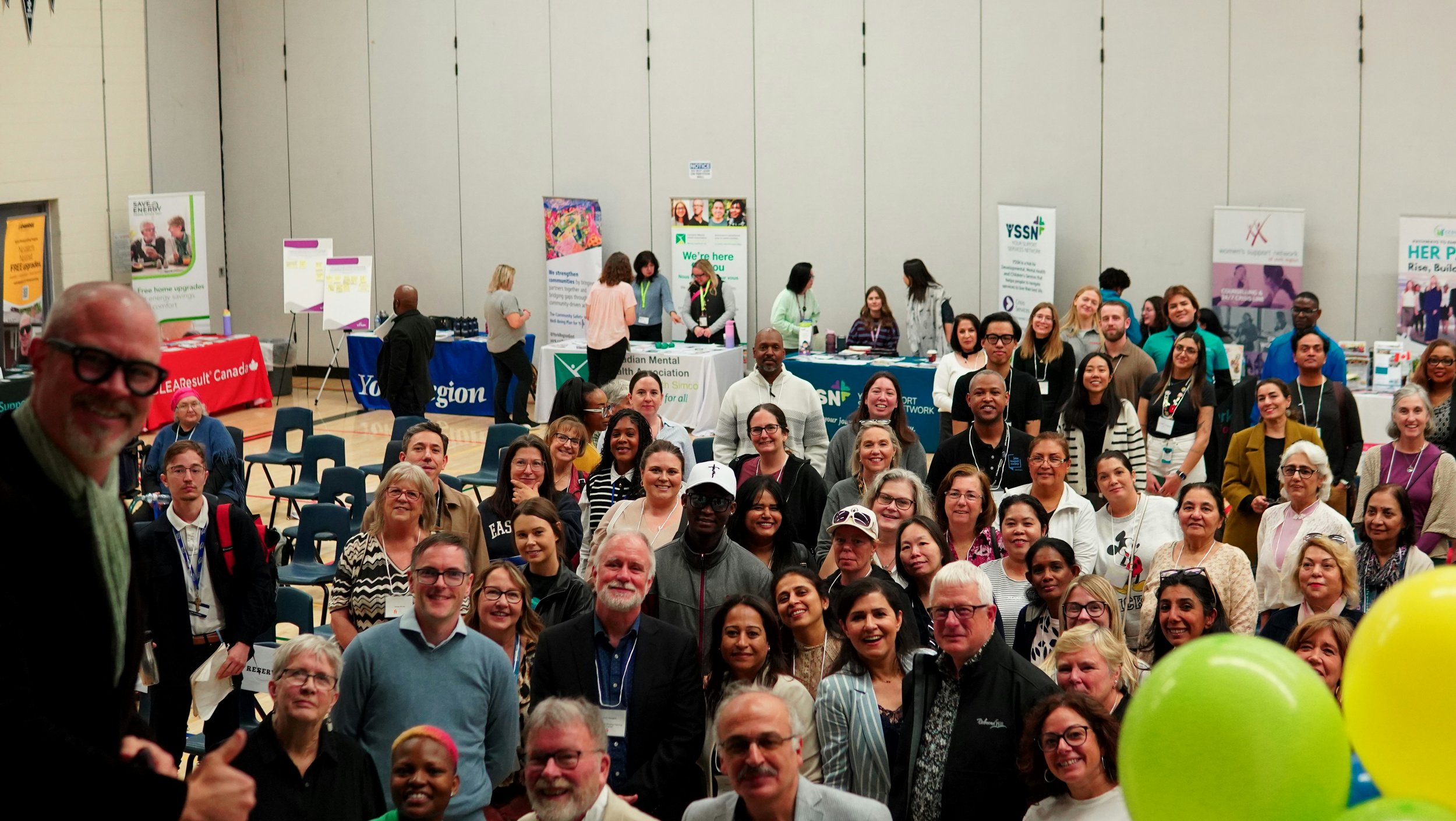
Mental Health Awareness Month is a chance to take practical steps that support recovery in your community. Small actions add up.
Educate yourself and others: Learning and sharing reliable information helps reduce stigma.
Participate in community events: Local events raise visibility and connect people with supports.
Support peer support groups: Volunteering, donating, or attending peer groups strengthens recovery networks.
What Advocacy and Donation Opportunities Are Available?
There are many ways to support recovery beyond direct care, advocacy, funding, and community partnerships all matter.
Advocacy for policy changes: Getting involved in policy and public education can improve access to treatment and reduce systemic stigma.
Donation opportunities: Contributions to organizations like Dunham House help expand programs and supports for people in need.
Community program support: Backing local initiatives that focus on prevention and recovery builds a stronger safety net.
How Do Community Programs Promote Stigma Reduction?
Community programs are essential to changing public attitudes and providing practical help for people in recovery.
Awareness campaigns: Public education projects correct myths and encourage supportive responses.
Educational workshops: Workshops equip community members with knowledge and tools to help others.
Peer support programs: Peer networks offer trusted, lived-experience support that makes recovery feel possible.
Conclusion
Reducing addiction stigma and raising mental health awareness are critical steps toward communities where help is available and welcomed. Using evidence-based supports, integrated treatment, and family and public education, we can make recovery more achievable for many people. Get involved, learn, speak up, and support the programs that help people rebuild their lives.

Dunham House
About Dunham House
Located in Quebec's Eastern Townships, Dunham House is a residential treatment centre specializing in addiction and providing support to individuals with concurrent mental health challenges. We are the only residential facility of our kind in Quebec that operates in English.
Our evidence-based programs include a variety of activities such as art, music, yoga, and equine-assisted therapy. In addition to our residential services, we offer a full continuum of care with outpatient services at the Queen Elizabeth Complex in Montreal.